Thinnest Armor BACK IN STOCK
-
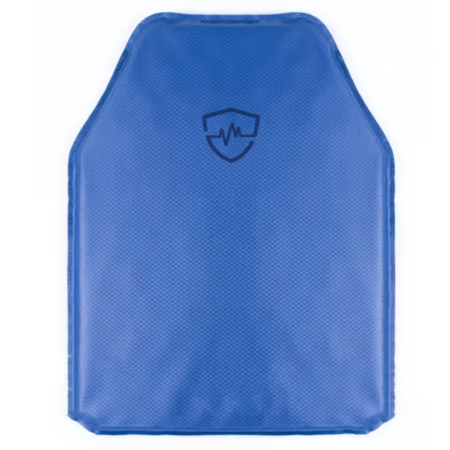
FRAS™ Backpack Armor $449.00-$599.00
-

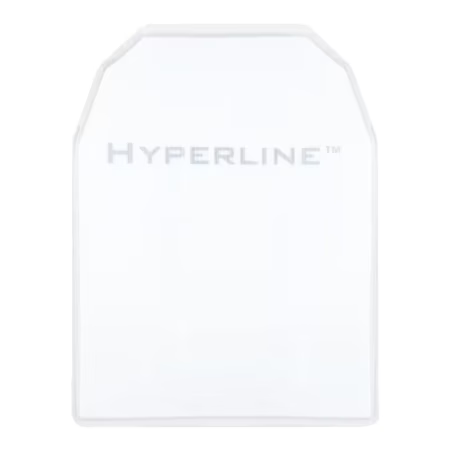
HYPERLINE™ Level IIIA Backpack Armor$299.00Original price was: $299.00.$149.50Current price is: $149.50. -
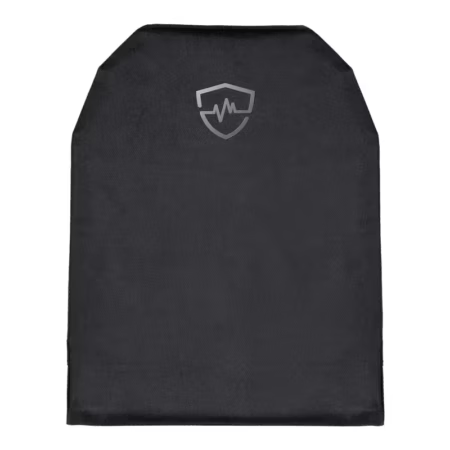
Level IIIA+ Backpack Armor
$159.00Original price was: $159.00.$127.00Current price is: $127.00. -
HG2 Backpack Armor $99.00
-
Backpack Armor $99.00-$599.00
Frequently Asked Questions
Backpack armor is a ballistic panel or insert designed to fit inside a backpack, providing protection against bullets and other threats. The armor works by using layers of high-strength materials like Kevlar, UHMWPE, or ceramic composites that absorb and disperse the energy of a projectile. When a bullet strikes the armor, these materials catch and slow the projectile, preventing penetration. Backpack armor panels are typically thin and lightweight enough to slide into a laptop compartment or dedicated sleeve, providing discreet protection during daily activities.
Soft backpack armor uses flexible materials like Kevlar or UHMWPE fabric layers. It's lightweight, flexible, and comfortable for daily carry but typically limited to handgun protection (Level IIIA). Hard backpack armor plates use rigid materials like ceramic or steel. They're heavier and less flexible but provide rifle-level protection (Level III/IV). For backpack use, soft armor is generally preferred due to comfort and weight. However, Safe Life Defense's FRAS technology offers a unique middle ground: flexible rifle armor that provides rifle-rated protection while remaining pliable enough for comfortable backpack carry.
Backpack armor panels are designed to fit inside standard backpacks, laptop bags, and messenger bags. Common sizes include 11"x14" (fits most backpacks with laptop compartments) and 10"x12" (compact option for smaller bags). Safe Life Defense offers multiple size options to ensure compatibility with various bag styles and sizes.
FRAS (Flexible Rifle Armor System) is Safe Life Defense's revolutionary armor technology that provides rifle-level protection in a flexible, wearable format. Unlike traditional rigid rifle plates, FRAS panels bend and flex while still stopping rifle threats. For backpack armor applications, FRAS provides significantly higher protection than standard Level IIIA soft armor while maintaining enough flexibility to conform to your back. The FRAS Backpack Armor panel offers rifle-rated protection in a format designed specifically for backpack carry.
Standard soft backpack armor (Level IIIA) is designed to stop handgun threats, not rifle bullets. However, there are rifle-rated options available. Safe Life Defense FRAS Backpack Armor is rated to stop common rifle threats including 5.56 NATO and 7.62x39 while remaining flexible. Traditional Level III and Level IV armor plates can also be used in backpacks but are rigid and heavier. If rifle protection is required, the FRAS backpack panel offers the best balance of protection and practicality for daily carry.
Backpack armor panels can be used in children's backpacks, and many parents purchase them for school safety. When selecting backpack armor for children, consider: weight (choose the lightest option that provides adequate protection), size (ensure it fits the child's backpack without being too large), and comfort (the child should be able to carry their backpack normally). Safe Life Defense HYPERLINE Level IIIA backpack armor is particularly well-suited due to its lightweight design. Always discuss personal safety awareness with children rather than relying solely on protective equipment.
Quick-deploy backpack armor refers to systems designed to rapidly convert from backpack carry to wearable protection. Some designs feature integrated straps that allow the backpack itself to be worn as a vest, placing the armor panel against the torso. Others include pull-out vests stored in a pocket. This allows users to transition from covert to overt protection within seconds. While Safe Life Defense focuses on insert-style panels that provide protection while worn as a backpack, some users pair our panels with tactical backpacks that offer quick-deploy features.
Installing backpack armor is straightforward: 1) Identify the laptop sleeve or flat pocket closest to the back panel of your backpack. 2) Slide the armor panel into this pocket with the strike face (usually marked) facing outward (away from your body). 3) Ensure the panel lies flat without bunching or folding. 4) If your bag lacks a sleeve, place the panel in the main compartment against the back. The armor should sit between your back and the bag's contents. For maximum coverage, center the panel vertically to protect vital organs.
Backpack armor refers to removable ballistic panels that can be inserted into any existing backpack. Bulletproof backpacks are complete bag products with armor built into the construction. Backpack armor inserts offer more flexibility: you can use your preferred bag, transfer the armor between different bags, and upgrade protection levels independently. Built-in bulletproof backpacks may have limited style options and often can't be upgraded. Safe Life Defense offers backpack armor inserts that work with any bag rather than proprietary bulletproof backpack designs.
TSA does not prohibit body armor in carry-on or checked luggage. However, airline policies vary, and some carriers may have restrictions. When traveling with backpack armor: check your airline's policy before departure, be prepared for additional screening at security checkpoints, consider packing armor in checked luggage to avoid delays, and carry documentation of the product for reference. International travel may have additional restrictions as body armor laws vary by country. Research destination country laws before traveling internationally with body armor.
Backpack armor size depends on your bag dimensions and coverage needs. Standard sizes include: 11"x14" - fits most full-size backpacks and laptop bags (recommended for maximum coverage). 10"x12" - fits smaller backpacks and messenger bags. 8"x10" - compact option for small bags or children's backpacks. Measure your bag's laptop compartment or back panel interior before ordering. The armor should fit flat without folding. For body coverage, larger panels offer more protection but may not fit smaller bags. Choose the largest size that fits your bag properly.