

Introduction: The Importance of Gun Safety for All
Whether you’re a seasoned gun owner or someone who’s just purchased their first firearm, gun safety should be at the forefront of your mind. After all, handling firearms responsibly can mean the difference between life and death.
In the United States alone, there were nearly 40,000 gun-related deaths in 2019, with a significant portion due to accidents and negligent handling. By following the basic rules of gun safety, you can minimize this risk and ensure that your firearms are used responsibly and effectively.
In this blog post, we’ll be discussing the five essential rules of gun safety, providing real-life examples, and sharing helpful resources for further training.
Rule 1: Treat Every Firearm as if it is Loaded
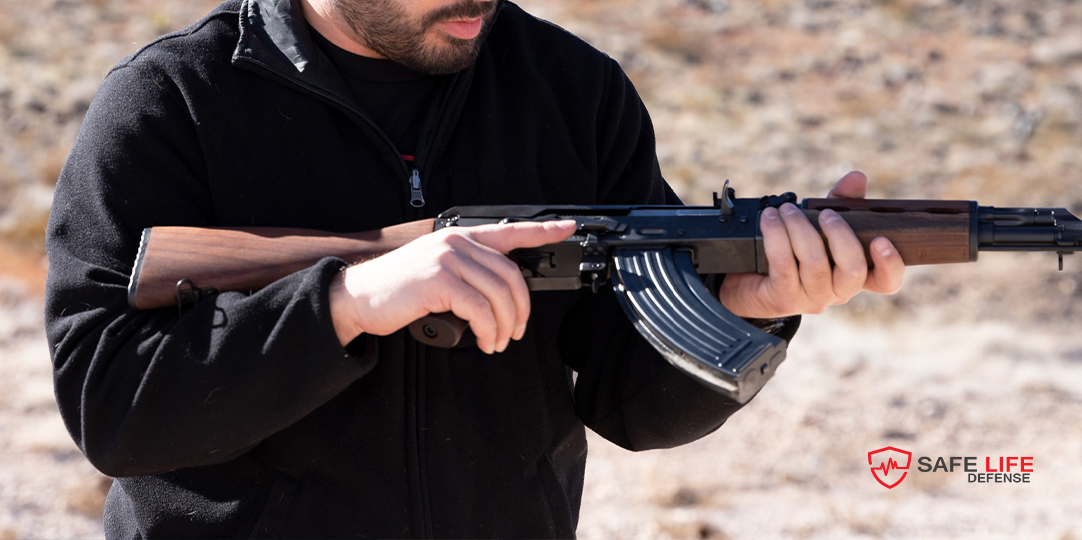
The most fundamental rule of firearm safety is to treat every firearm as if it is loaded, even if you are certain it is not.
This mindset helps to prevent accidents and ensures that you always handle firearms with the respect and caution they deserve. In this section, we’ll dive into the importance of this rule, how to check if a firearm is loaded, and the dangers of assuming a firearm is unloaded or relying on safety mechanisms.
The Importance of Always Assuming a Firearm is Loaded
While we all like to think we’re diligent when it comes to firearm safety, mistakes can happen. By always treating a firearm as if it is loaded, you ensure that even if you make a mistake, you are less likely to cause harm to yourself or others.
This rule applies to all firearms, whether they are your own or someone else’s, and regardless of your familiarity with the weapon. Keeping this rule at the forefront of your mind helps to create a consistent safety mindset and reduces the risk of accidents.
How to Check if a Firearm is Loaded
There are a few different ways to check if a firearm is loaded, depending on the type of gun. Here are some common examples:
- Semi-automatic pistols: Remove the magazine, pull the slide back to eject any chambered round, and visually inspect the chamber to ensure it is empty.
- Revolvers: Open the cylinder and visually inspect each chamber to make sure there are no rounds loaded.
- Shotguns: Open the action and visually inspect the chamber and magazine to ensure there are no shells in the firearm.
- Rifles: Remove the magazine, pull the bolt back to eject any chambered round, and visually inspect the chamber to ensure it is empty.
Remember that a visual inspection is crucial to ensure that the gun is unloaded. Do not just rely on the feeling of the action or the sound of a click, as these can be deceptive.
Dangers of Assuming a Firearm is Unloaded or Relying on Safety Mechanisms
It’s important to be aware that assuming a firearm is unloaded or relying solely on safety mechanisms can lead to disastrous consequences. Even the most experienced shooters can make mistakes, and a quick assumption that a gun is unloaded can result in a tragic accident.
Safety mechanisms, while useful, should never be a substitute for proper firearm handling and adherence to safety rules. Keep in mind that safety mechanisms can fail or be accidentally disengaged, leading to unintentional discharges.
By consistently treating every firearm as if it is loaded, you build a strong foundation for firearm safety and help to prevent accidents from occurring.
In conclusion, always remember that Rule 1 of firearm safety is to treat every firearm as if it is loaded. This mindset helps to create a consistent safety mindset and reduces the risk of accidents.
By following this rule, along with the other essential firearm safety guidelines, you can enjoy the many benefits of responsible gun ownership and help to create a safer environment for everyone.
So, whether you’re a seasoned shooter or a first-time gun owner, remember to respect the power and potential danger of firearms, and always treat them as if they are loaded.
Rule 2: Pointing the Muzzle in a Safe Direction
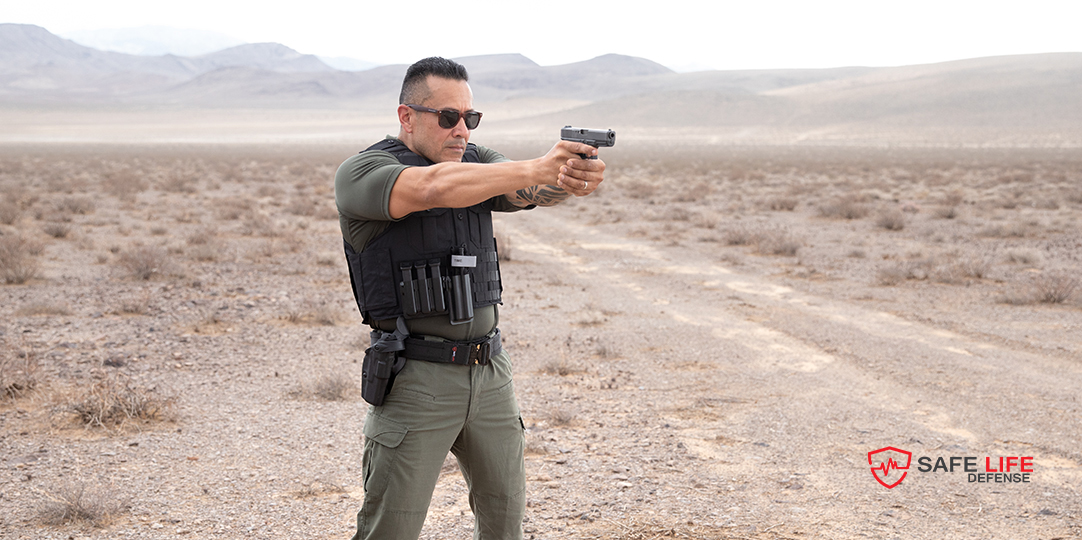
The second rule of firearm safety is to always point the muzzle in a safe direction. This means you should never point your gun at anything you don’t intend to shoot.
By following this rule, you can prevent accidental discharges from causing harm or damage. But what exactly constitutes a safe direction?
A safe direction is one where, if the gun were to accidentally discharge, it wouldn’t cause injury or harm to people, animals, or property. To determine a safe direction, you must consider your environment and what lies beyond your immediate surroundings. Keep in mind that bullets can travel through walls and other barriers, so it’s crucial to always be aware of what’s behind your target.
Safe and Unsafe Directions in Different Scenarios
The concept of a safe direction varies across different situations. Let’s look at some examples in common scenarios:
- Home: When inside your house, a safe direction could be pointing the muzzle towards the ground or up towards the ceiling, depending on the construction of your home. Avoid pointing the gun towards walls that may have people or pets on the other side.
- Range: At a shooting range, the safe direction is typically downrange, towards the targets. Make sure not to point the muzzle at the ground, as ricochets can occur, or at other shooters or bystanders.
- Hunting: In the field, always point the muzzle in a direction where there are no people, animals, or property that could be harmed if the gun were to discharge. This may involve constantly adjusting the direction of your muzzle as you move through the environment.
Dangers of Pointing the Muzzle at Unintended Targets
Pointing your gun at something you don’t intend to shoot can have severe consequences. Here are some potential risks associated with not following this crucial safety rule:
- Accidental discharge: If your gun accidentally goes off while pointed in an unsafe direction, it could cause injury or death to a person or animal, or damage to property.
- Legal issues: If you point your gun at someone, even unintentionally, you may face criminal charges or a lawsuit. In some states, pointing a firearm at another person can be considered aggravated assault.
- Emotional trauma: Pointing a gun at someone, whether intentionally or unintentionally, can cause severe emotional distress for both the person at whom the gun is pointed and the person holding the gun, especially if an accidental discharge occurs.
Always pointing the muzzle in a safe direction is a fundamental aspect of responsible gun ownership. Adhering to this rule helps prevent accidents, legal troubles, and emotional trauma.
By being aware of your surroundings and considering what lies beyond your target, you can ensure the safety of yourself and others. Practice this rule at all times, no matter your level of experience, and encourage others to do the same.
Rule 3: Keep Your Finger Off the Trigger Until You Are Ready to Shoot
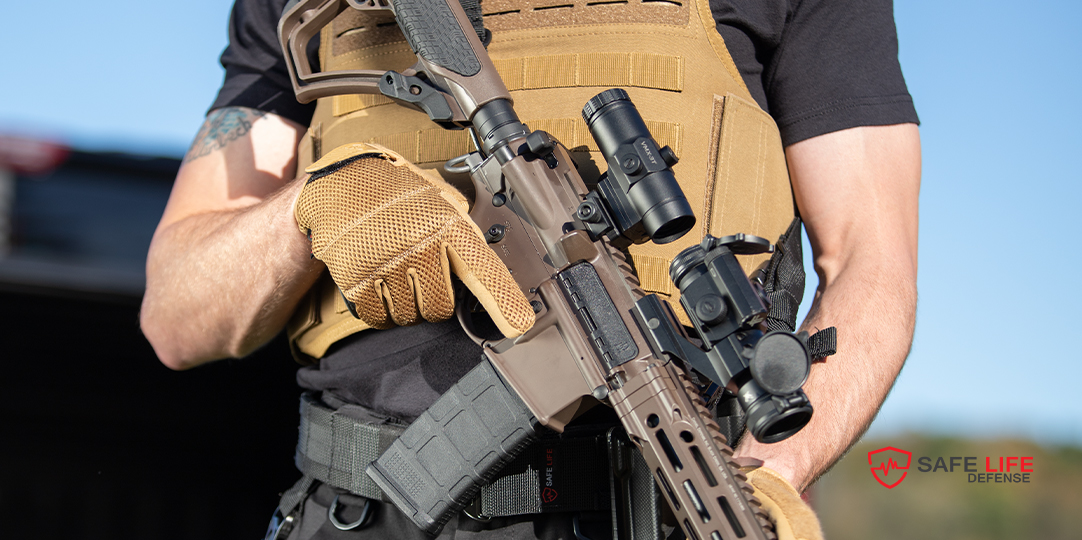
Rule 3 is a crucial component of firearm safety, aiming to prevent accidental discharge. In essence, this rule means that you should never place your finger on the trigger until you have made the conscious decision to fire your weapon.
This is an essential practice for all gun owners, whether they are using firearms for hobbies, self-defense, or hunting.
The reason behind this rule is simple: firearms are powerful tools that can cause severe damage or death if not handled responsibly.
By keeping your finger off the trigger until you’re ready to shoot, you minimize the risk of an unintentional discharge and ensure the safety of yourself and those around you.
Proper Grip and Finger Placement
When it comes to holding a firearm, there are a few key elements to remember. First, grip the gun firmly with your dominant hand, ensuring that the web between your thumb and index finger is high on the backstrap.
This position will provide maximum control and stability. Your non-dominant hand should then support the dominant hand by wrapping around the front of the grip. Keep both thumbs aligned and pointing forward.
Now, let’s talk about finger placement. Instead of resting your finger on the trigger, lay it flat against the frame of the gun, just above the trigger guard. This position is often referred to as the “index” position. By keeping your finger in this position, you reduce the likelihood of accidentally pressing the trigger.
The Dangers of Poor Trigger Discipline and External Factors
Poor trigger discipline can lead to disastrous consequences. Accidental discharges can result in injury or death, not to mention the emotional trauma associated with such an event. Additionally, a negligent discharge can have severe legal ramifications, as it may be considered a criminal act.
External factors can also contribute to unintended firearm discharge. For example, a sudden loud noise or movement may cause a startled reaction, leading to an accidental trigger pull.
By maintaining proper trigger discipline, you minimize the risk of these external factors causing an unintentional discharge.
Be Mindful and Responsible
As responsible gun owners, it’s essential to understand the importance of Rule 3: keeping your finger off the trigger until you are ready to shoot.
This simple practice can significantly reduce the risk of accidental discharge and ensure the safety of yourself and others. Remember, when it comes to firearms, safety should always be your top priority.
Rule 4: Be Sure of Your Target and What is Beyond It
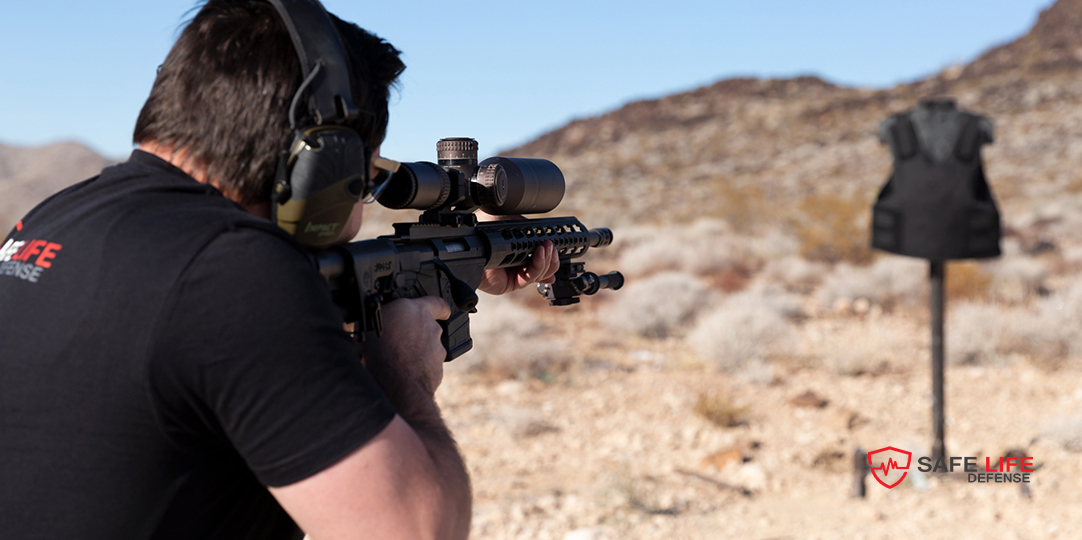
Ah, Rule 4. It’s one of the most important safety rules in shooting, and yet it’s often misunderstood or overlooked. So, what does this rule mean, and why is it so crucial for avoiding collateral damage?
Simply put, Rule 4 is all about being absolutely certain of your target and what lies beyond it before pulling the trigger. This ensures that you don’t accidentally shoot something or someone you didn’t intend to.
Identifying Your Target and Its Surroundings
To follow Rule 4 effectively, you’ll need to develop a keen sense of observation and situational awareness. Here are some tips to help you identify your target and what’s behind it accurately:
- Take your time: Don’t rush your shot. Make sure you have a clear view of your target and its surroundings before you make your move.
- Use your senses: Look and listen carefully. Is there movement or noise that could indicate the presence of other people or animals near your target? If so, hold off on your shot until you can confirm their location.
- Be mindful of your surroundings: Consider the environment you’re shooting in. Are there buildings, roads, or other potential hazards behind your target? If you’re hunting, are you aware of other hunters in the area?
- Use proper equipment: Invest in quality optics and accessories that can help you accurately identify your target and what’s behind it. A good scope or binoculars can be invaluable in this regard.
The Dangers of Shooting at Moving, Obscured, or Unknown Targets
While it’s always important to follow Rule 4, it becomes even more crucial when dealing with moving, obscured, or targets with unknown backgrounds. Here’s why:
- Moving targets: When you’re dealing with a moving target, it’s easy to lose sight of what’s behind it, especially when you’re focused on tracking the target’s movement. This increases the risk of accidentally shooting something or someone you didn’t mean to.
- Obscured targets: If you can’t see your target clearly, there’s a good chance you won’t be able to see what’s behind it either. Shooting at obscured targets can result in serious accidents and collateral damage.
- Targets with unknown backgrounds: If you don’t know what’s behind your target, you can’t be sure that it’s safe to shoot. In this situation, it’s best to hold off on your shot until you can gather more information.
To sum it up, following Rule 4 is essential for ensuring the safety of yourself and others around you. By taking the time to properly identify your target and its surroundings, you can minimize the risk of collateral damage and make your shooting experience a more enjoyable and responsible one.
So, always remember: be sure of your target and what is beyond it before pulling the trigger. And hey, if you’re still not confident in your target identification skills, there’s no shame in seeking out some additional training or guidance. Stay safe, folks!
Rule 5: Use Proper Ammunition and Maintain Your Firearm
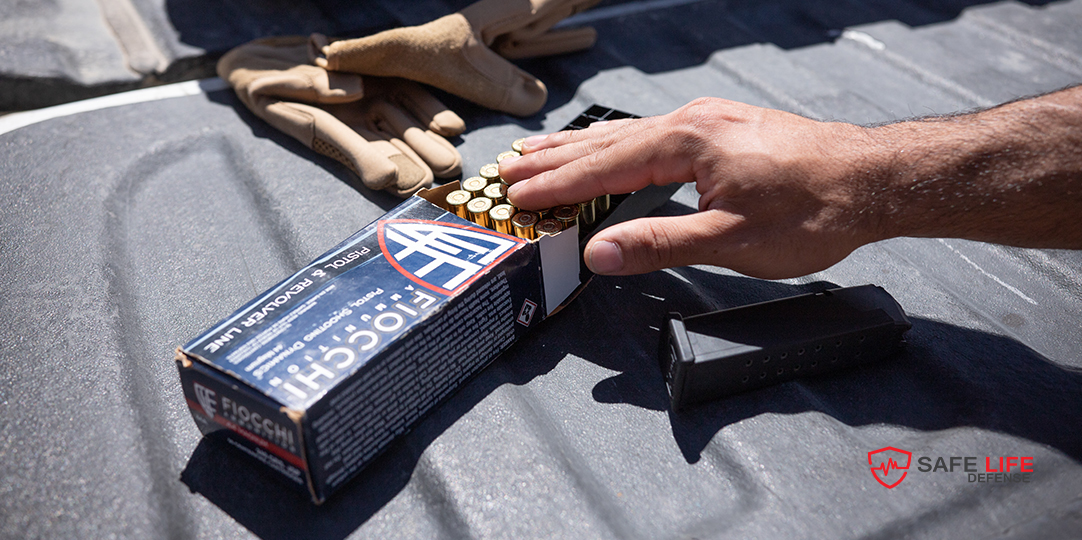
Why Rule 5 Matters: Safety and Performance
At first glance, Rule 5 might seem obvious, but it’s crucial to understand and follow for the safety of both the shooter and others nearby.
Using the wrong ammunition or a poorly maintained firearm can lead to malfunctions, decreased accuracy, and even dangerous accidents. So, let’s dive into the specifics of Rule 5 and learn how to choose the right ammunition, store it safely, and maintain your firearm for optimal performance.
Choosing the Right Ammunition: Compatibility and Storage
When it comes to selecting the proper ammunition for your firearm, it’s essential to refer to the manufacturer’s recommendations and guidelines. Each gun is designed for a specific type and caliber of ammunition, which ensures smooth operation and prevents damage to the gun or injury to the shooter. Some key steps to choosing the right ammunition include:
- Check the owner’s manual: Always refer to the owner’s manual for your firearm to identify the correct type and caliber of ammunition.
- Match the caliber: Ensure that the ammunition matches the caliber engraved on the gun’s barrel or slide.
- Research performance: Investigate the performance of various brands and bullet types for your firearm to find the ammunition that best suits your shooting needs.
Once you have the right ammunition, proper storage is crucial for safety and longevity. Store ammunition in a cool, dry place away from direct sunlight and moisture. Consider using a dedicated ammo storage box or container to keep it organized and protected.
Firearm Maintenance: Clean, Lubricate, and Inspect
Regular maintenance is key to ensuring that your firearm operates safely and effectively. Here are some essential steps to maintaining your gun:
- Cleaning: After each use, clean your firearm to remove dirt, debris, and residue. This helps prevent jams and other malfunctions.
- Lubrication: Proper lubrication is necessary to reduce friction, wear, and tear on moving parts. Use a high-quality gun oil or grease as recommended by the manufacturer.
- Inspection: Regularly inspect your firearm for signs of wear, damage, or potential issues that could affect performance or safety. Look for cracks, corrosion, or other signs of distress in the gun’s components.
If you’re unsure about any aspect of firearm maintenance, consult a professional gunsmith for guidance or assistance.
The Dangers of Damaged, Incompatible, or Reloaded Ammunition and Firearms
Using damaged, incompatible, or reloaded ammunition can pose significant risks to both the shooter and bystanders. Some potential dangers include:
- Catastrophic failure: Incompatible ammunition can cause a firearm to explode or rupture, possibly resulting in severe injury or death.
- Malfunctions: Using the wrong ammunition can lead to jams, misfires, and other malfunctions that could be dangerous in a self-defense or hunting situation.
- Decreased accuracy: Damaged or reloaded ammunition may not perform as intended, leading to decreased accuracy and consistency in shooting.
If you suspect that your ammunition or firearm is damaged, do not use it. Consult a professional gunsmith for evaluation and, if necessary, repair or replacement.
In conclusion, following Rule 5 is essential for ensuring the safety and performance of your firearm. By using the proper ammunition, storing it safely, and maintaining your gun, you can enjoy shooting sports, hunting, or self-defense with confidence and peace of mind. Remember, when in doubt, consult a professional for guidance.
Conclusion: Embrace the Responsibility of Gun Ownership
By following these five essential rules of gun safety, you’ll be taking important steps toward responsible gun ownership.
Not only will this help protect you and those around you, but it will also ensure that your firearms perform as intended. If you’re looking to expand your knowledge or take a training course, consider organizations like the National Rifle Association or local gun clubs that offer classes and resources.
Remember, gun safety is everyone’s responsibility, so make it a priority in your life as a firearm owner.



 Product Protection from SLD