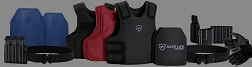

Choosing the right body armor can be the difference between staying protected and being vulnerable when it matters most. Whether you’re a law enforcement officer, security professional, or a civilian looking for personal protection. Understanding the differences between soft and hard armor is essential. In this blog, we’ll break down the strengths, limitations, and best use cases for each type so you can make an informed decision based on your unique threat profile, environment, and mission needs.
Understanding Body Armor Fundamentals

Defining Soft Armor
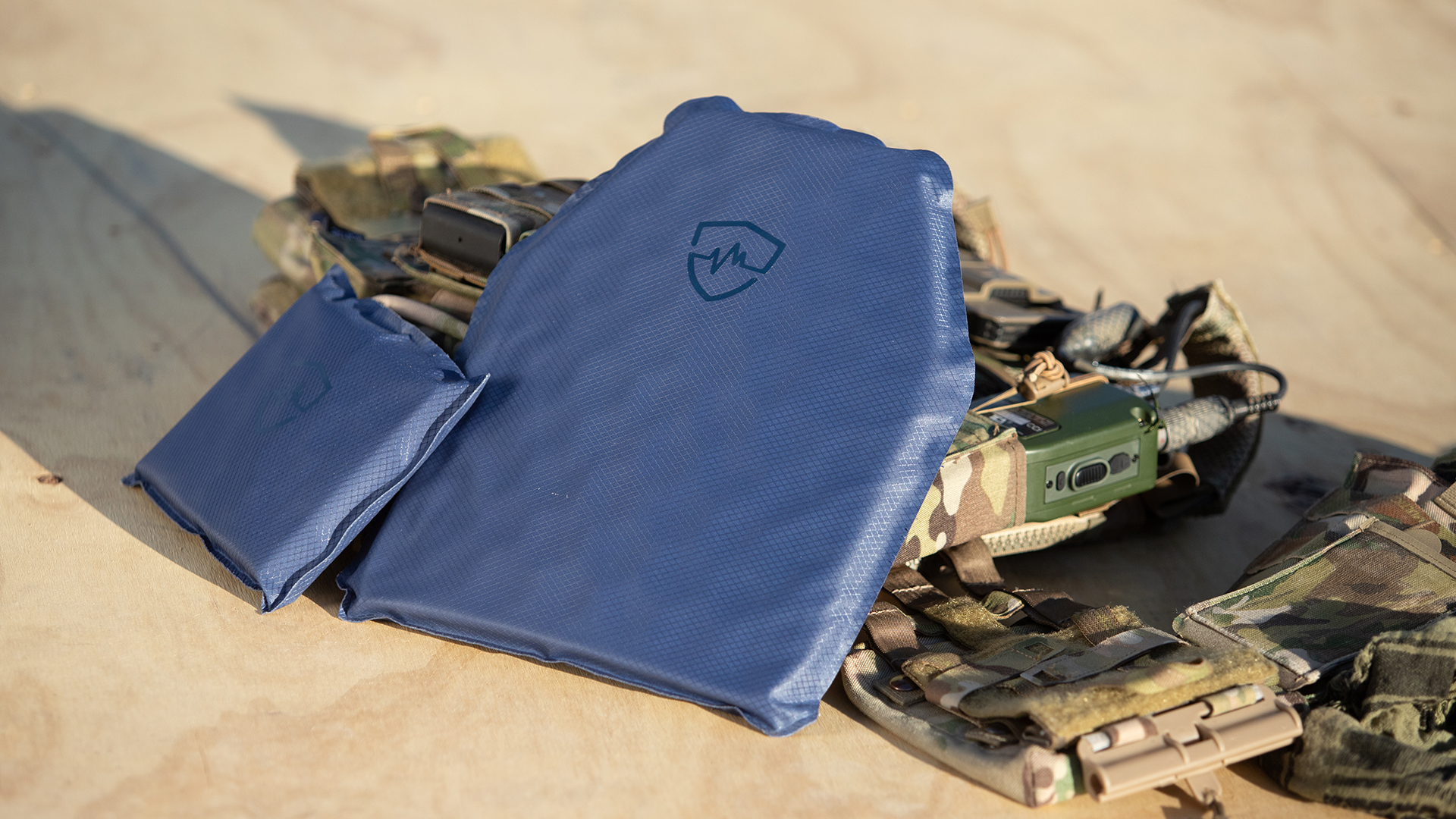
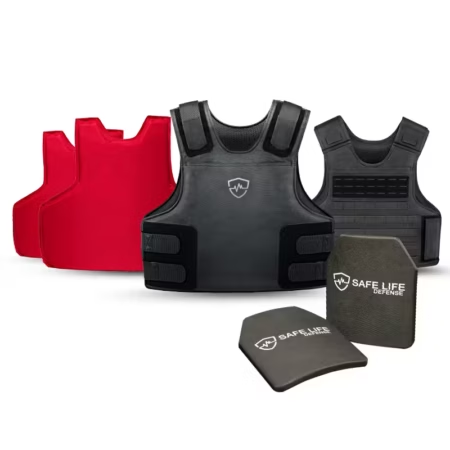
Soft armor comes in many different shapes and sizes. Soft armor uses flexible layers of materials like aramid fibers (for example, Kevlar) or UHMWPE (Polyethylene). It’s lightweight, thin, and ideal for protection against handguns, fragmentation, and some stab threats.
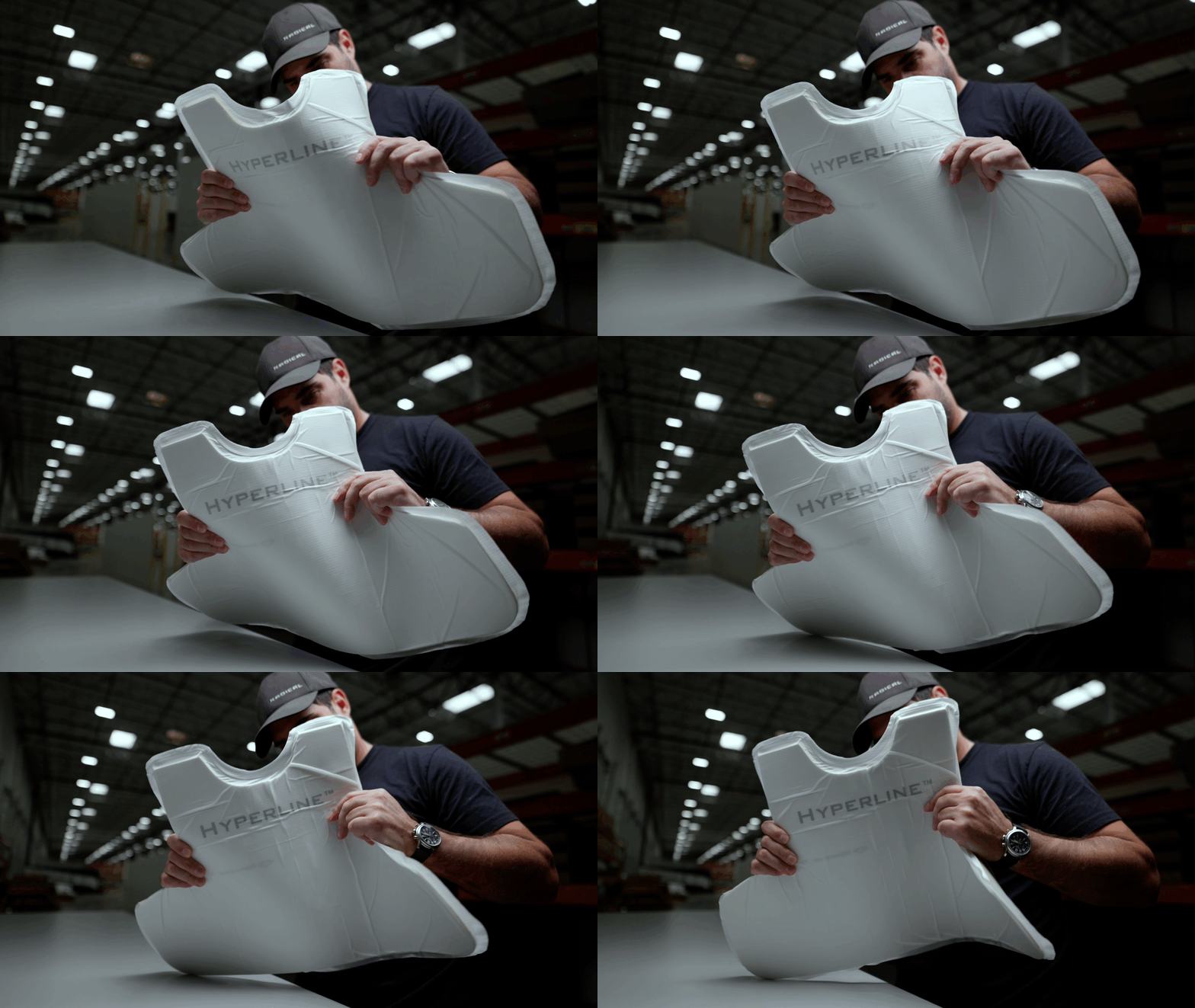
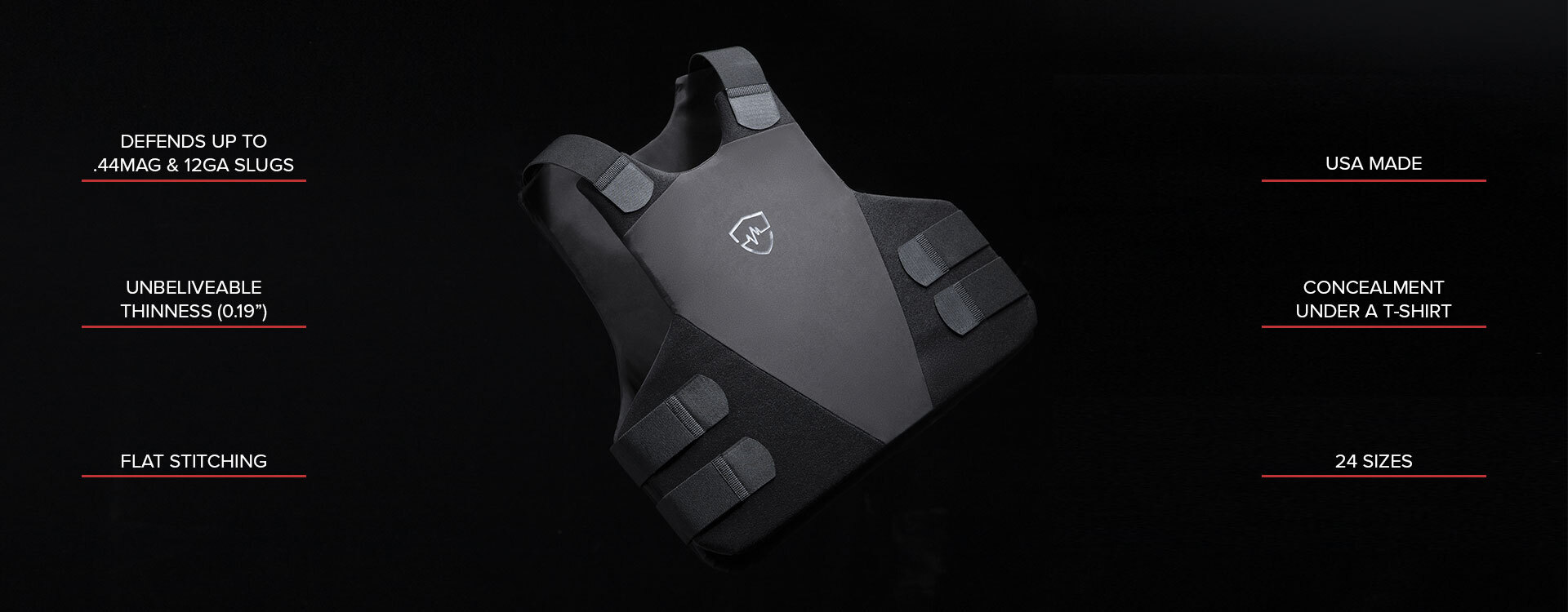
Safe Life Defense’s Hyperline Level IIIA is a standout example and is extremely concealable with a thickness of just 0.19 inches. For those seeking budget-conscious protection, our Mutli Threat HG2 line offers excellent value while still delivering NIJ Certified Level IIIA protection. And for those of you looking for the most protective soft armor on the market, our Enhanced Multi Threat Level IIIA+ armor line offers everything HG2 offers, plus a Level 1 spike rating and protection against 5.7 x 28 and Liberty Civil Defense 9mm.
Defining Hard Armor
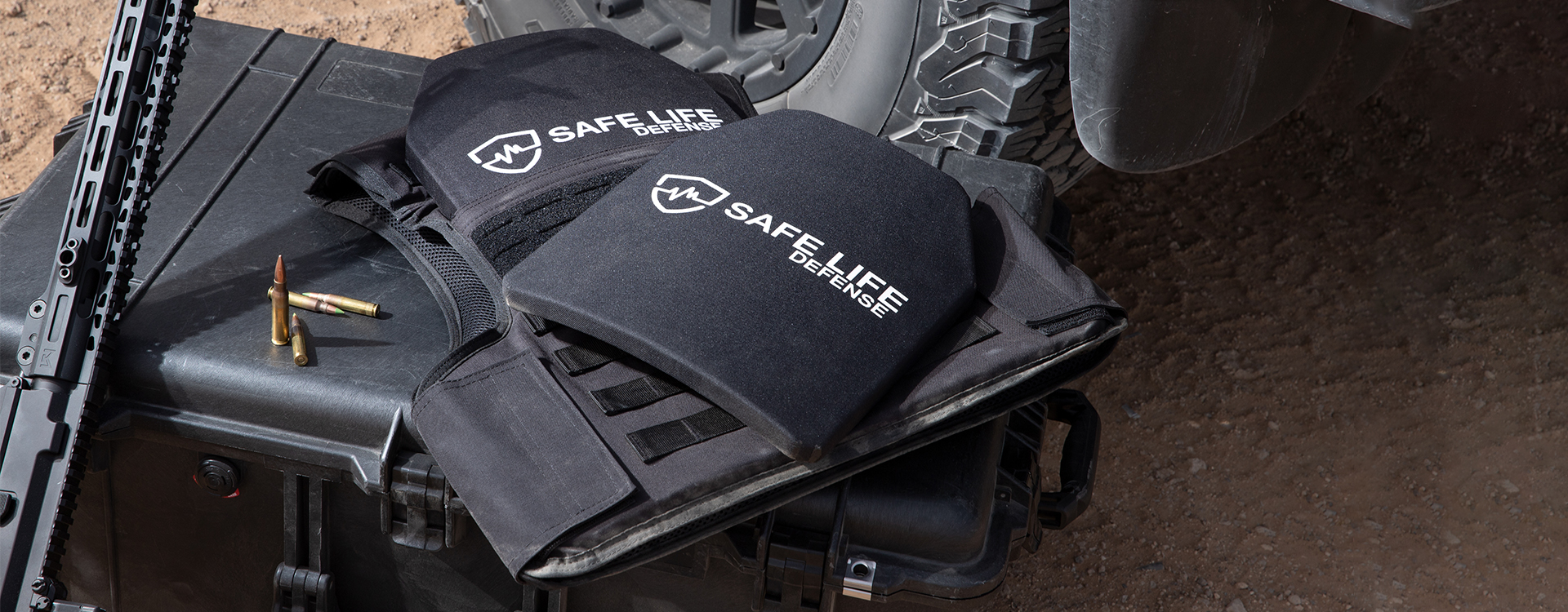
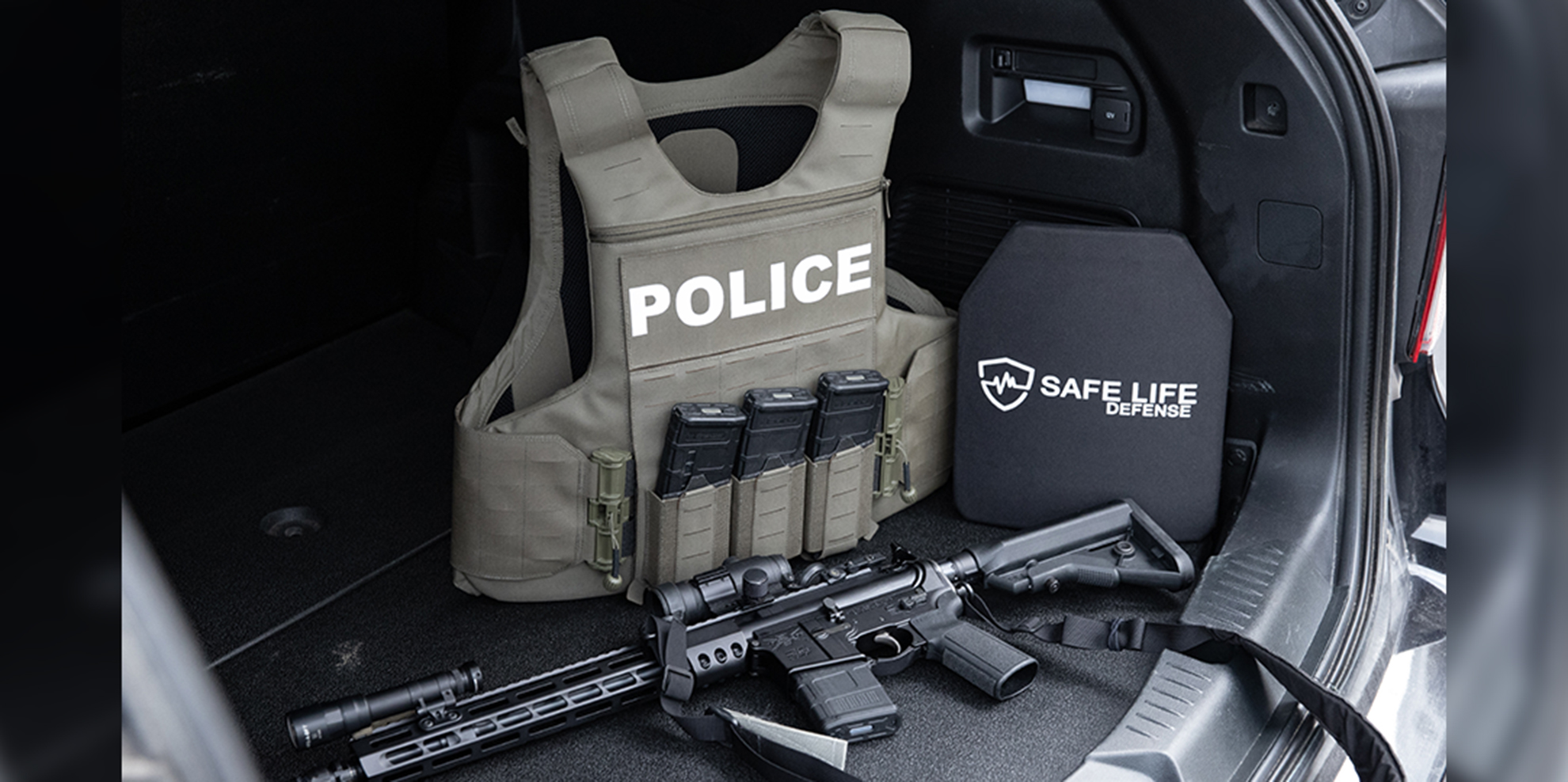
Hard armor features rigid ballistic plates made from proprietary blends of ceramic, steel/metal, or UHMWPE. Rifle-rated protection is built to stop high-velocity rifle rounds, and depending on the level, even some light armor-piercing rounds. Products like Safe Life Defense’s Level IV ICW plates are engineered to be worn in conjunction with soft armor and meet NIJ standards for Level IV protection.
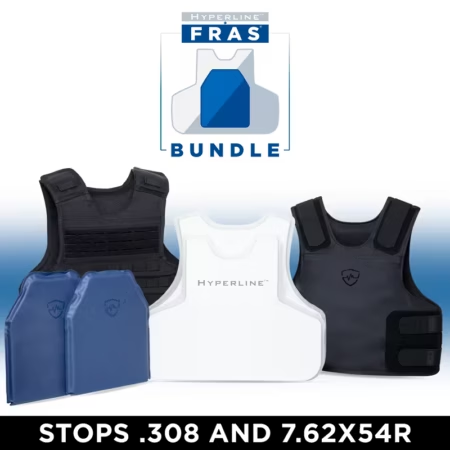
Our hybrid FRAS system offers a unique in-between option, it offers the end user rifle-rated protection while maintaining the flexible characteristics of soft armor. FRAS is capable of stopping M855(Green Tip), M193, SS109, and lead core 7.62×39 rounds. The FRAS standalone plates, or Standard FRAS plates, when worn in conjunction with soft armor it offers protection against 7.62×51 and 7.62x54R.
Body Armor Protection Level Standards (NIJ Ratings)
NIJ (National Institute of Justice) sets ballistic resistance standards:
- Level II / IIIA: Soft armor for handgun rounds and shrapnel
- Special Threat / IIIA+: Addresses more specific high-velocity rounds and edged threats not covered by standard levels
- Level III / IV: Hard armor for rifle threats
For more on the NIJ standards check out this blog.
Soft Armor Analysis
Materials and Construction
Here at Safe Life Defense we use high-performance materials from companies like Honeywell, Dupont and SAATI to create proprietary composite armor systems. Our Hyperline™ Level IIIA armor is optimized for concealment, while the Multi Threat HG2 offers a more traditional ballistic panel in a slim profile. Our Enhanced Multi Threat Level IIIA+, while they are thicker than both Hyperline™ and HG2 panels, they are slightly more protective.
Protection Capabilities and Limitations
Soft armor can stop:
- Common handgun rounds (9mm, .45 ACP, .357 Magnum, etc.), and 12 gauge shotgun rounds
- Some fragmentation and shrapnel
- Certain stab and slash threats with models like our Enhanced Multi Threat Level IIIA+
However, soft armor CANNOT stop rifle rounds.
Weight and Flexibility Advantages
Lightweight and ergonomic, soft armor enables greater mobility and comfort, especially in warm environments or extended wear situations.
Common Applications and Use Cases
- Patrol Officers
- Private Security Officers
- Civilians whom conceal carry
- Emergency Services
- VIP Protection Details
Hard Armor Analysis
Material Types (Ceramic, Steel, UHMWPE)
- Ceramic: Lightweight, multi-hit capable, but can crack if casted out of a one-piece cast.
- Steel: Durable and affordable, but heavy and may cause spall which could be dangerous for the end user.
- UHMWPE: Ultra-lightweight and buoyant; great for extended wear but most often thicker than any other hard armor.
We currently offer Level IV ICW plates and the innovative FRAS system, which combines rifle-rated protection with soft armor flexibility.
Ballistic Performance and Ratings
- Level III: Stops 7.62mm x 51 FMJ (.308 Winchester)
- Level IV: Stops .30-06 Armor Piercing rounds (M2 AP)
- Special Threat / FRAS: Stops 5.56 green tip (M855) and other advanced threats
Weight and Mobility Considerations
Hard armor is heavier than soft armor, but newer systems like FRAS and lightweight ceramics balance protection and mobility. However, due to the materials involved in the manufacturing of hard armor, rifle-rated protection will almost always be considerably heavier than soft armor.
Durability and Service Life
- Steel: Long lifespan if rust is controlled, but heaviest option for rifle-rated protection
- Ceramic: 5–10 years, but one-piece constructions are sensitive to drops
- UHMWPE: 5–7 years, must avoid heat and UV exposure
Threat Assessment and Selection Criteria
Evaluating Personal Risk Factors
- Are you likely to face rifle or handgun threats?
- Is your environment high-crime or high-risk?
- Do you need to stay low-profile?
Mission-Specific Requirements
- Concealed protection for security = Hyperline™ Level IIIA
- Patrol duty = Multi Threat Level HG2/IIIA
- Active shooter/response = Soft Armor + Hard Armor*
- Combat zones = Level IV ICW or FRAS, Soft Armor is also crucial for providing more protective coverage for protection from Shrapnel.
**Soft Armor + Hard Armor: This hybrid set up offers the most ballistic coverage, and with most of our carriers you can quickly adapt your soft armor set up by quickly sliding Hard Armor Plates into the front and rear plate pockets.**
Realistic Threat Profiling
Always select armor based on realistic threat assessments, not worst-case hypotheticals. Use crime data, mission briefings, or threat intelligence to guide your decisions.
Soft Armor: When is it Useful?
Concealed Carry and Low Profile Needs
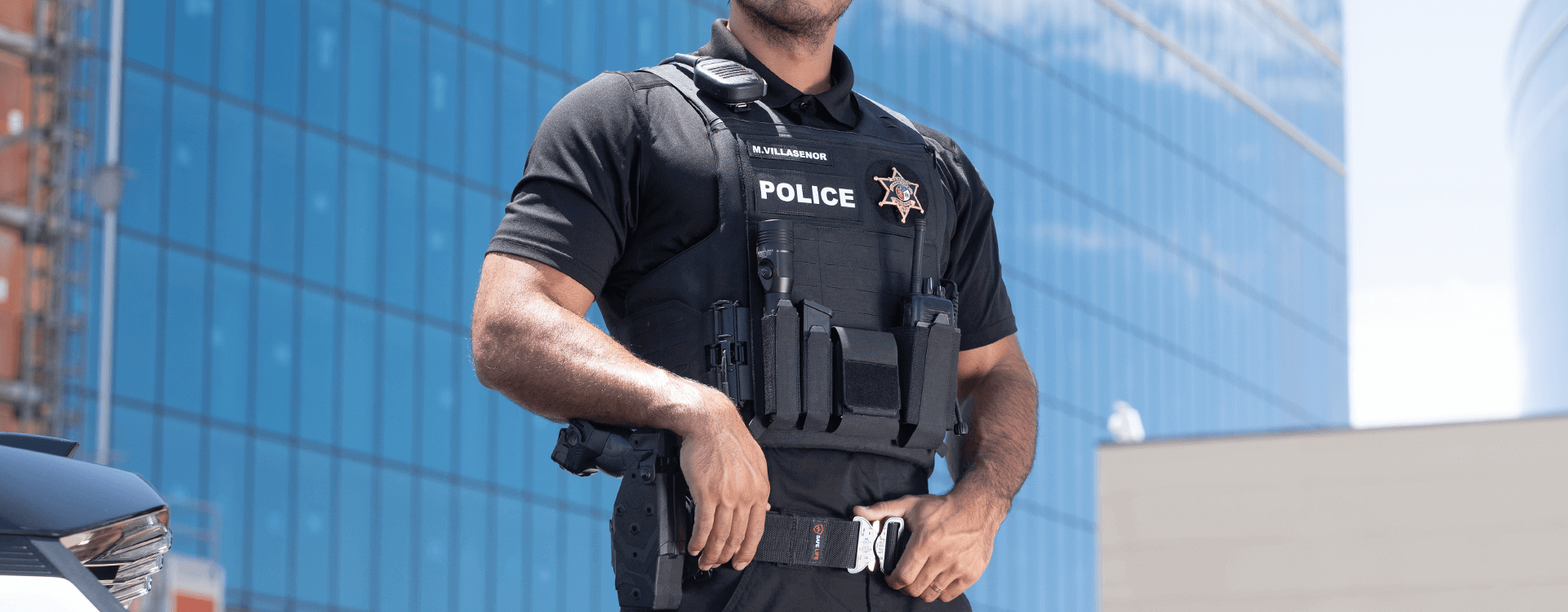
Hyperline™ Level IIIA armor is ideal under civilian clothes or duty uniforms where discretion is critical. At only 0.19″ thick Hyperline is the thinnest concealable soft armor on the market!
Concealed Carry and Low Profile Needs
Our Hyperline™ Level IIIA, Enhanced Multi Threat Level IIIA+, and Multi Threat Level HG2/IIIA balance all-day comfort and mobility, ideal for all day shifts no matter what.
Handgun and Fragmentation Threats
Soft armor (especially our Enhanced Multi Threat Level IIIA+) is suitable for pistol-heavy environments, secondary blast injury protection, and blunt force trauma injuries.
Hard Armor: When is it Useful?
High-Risk Tactical Operations
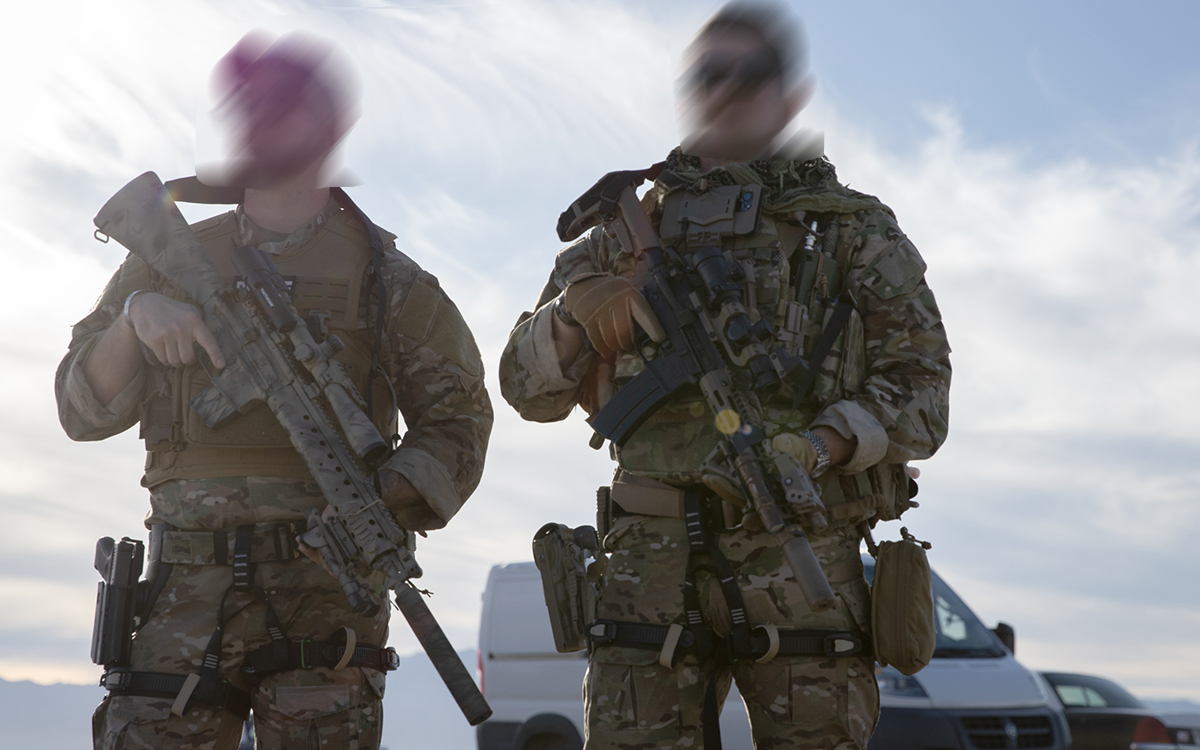
Hard armor is highly used in SWAT and military units. If you are looking for the most comfortable rifle-rated armor checkout FRAS, these panels provide flexible, lightweight rifle protection.
Operating Environments Known for Rifle Threats
If facing rifle-armed suspects, Level III or Level IV ICW plates are a must. When military personnel are overseas they are almost always wearing some form of rifle-rated body armor. Why? Because they are operating in environments known for rifle rounds and shrapnel to be the most likely threat they face.
Active Shooter Response
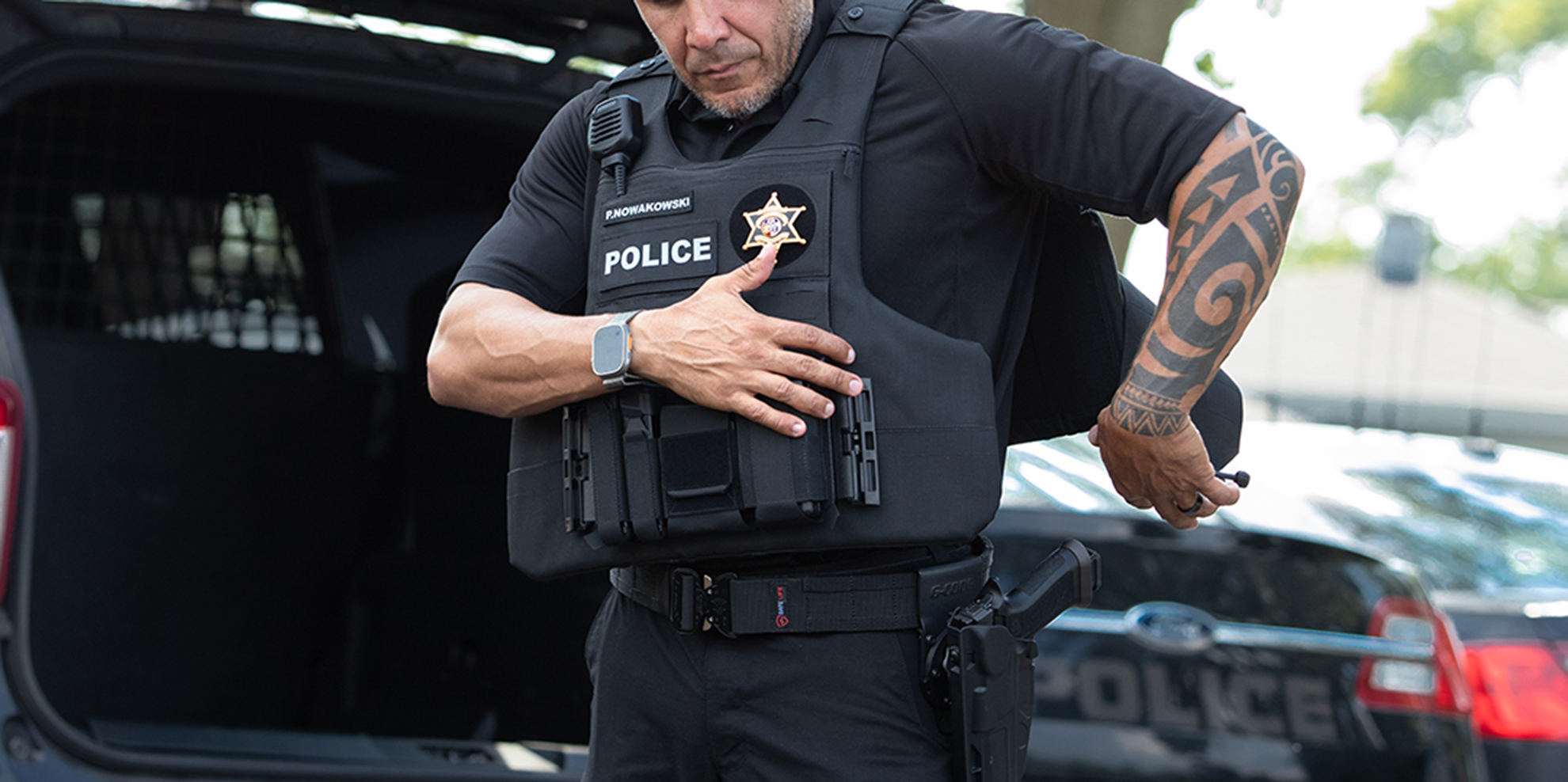
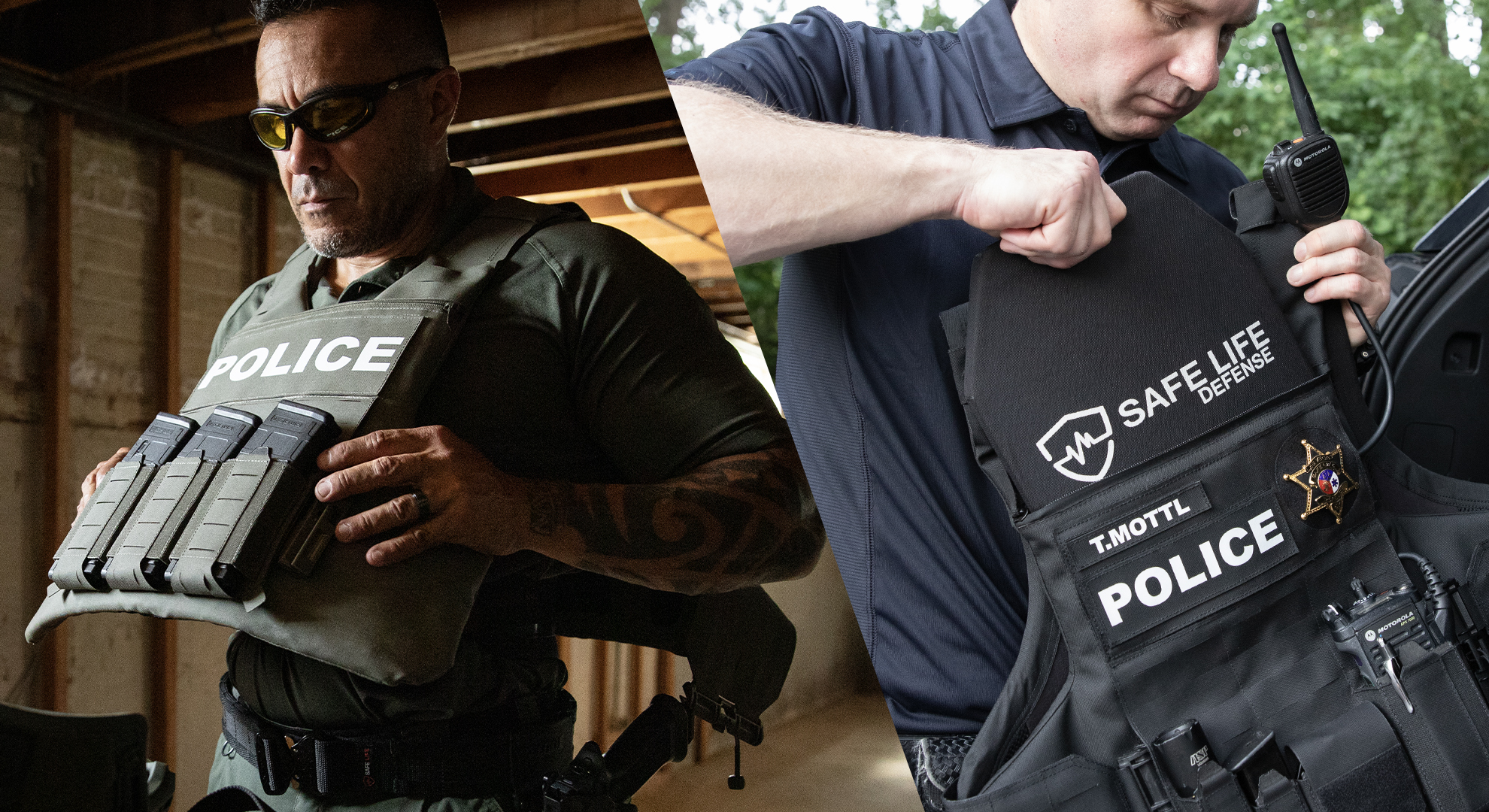
Deploying a plate carrier rapidly is crucial for officers or civilians responding to active threats. In critical moments like an active shooter response every second counts. As a responding officer, having to don and doff a plate carrier is NOT the easiest way to increase your level of protection. This is where hybrid systems, like the Unity™ Hybrid Carrier, make it very efficient to up your level of protection by simply inserting a rifle plate in the zippered front and/or rear plate bag.
Military and SWAT Applications
Standard loadouts typically include Enhanced Multi Threat Level IIIA+ and Level IV ICW plates or FRAS for upper-torso protection. This is partially because they are dealing with a lot of unknown details every time they are in the field, and as the phrase goes; it is better to have it and not need it, than to need it and not have it.
Hybrid Protection Systems
Combining Soft and Hard Armor
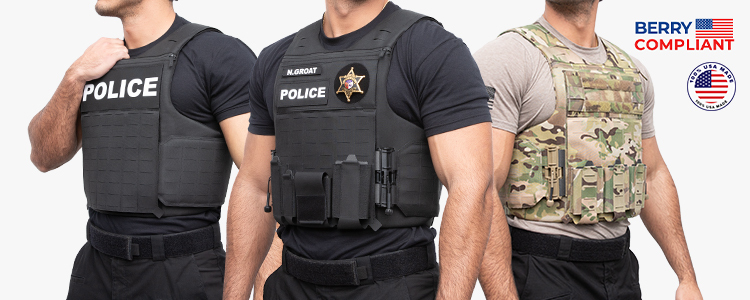
Wearing soft armor with insertable plates (ICW configuration) provides scalable protection.
Scalable Protection Approaches
Start with soft armor and add rifle plates when the threat level increases.
ICW vs. Standalone Plates
- ICW plates require soft armor backing
- Standalone plates will work independently but will offer as much coverage as the ICW plates with the required soft armor backer.
Modular System Benefits
Safe Life Defense’s new UNITY™ Hybrid Carrier supports both soft panels and hard plates in a single, streamlined design. Helping the end users to adapt and become more efficient with their specific tasks.
Practical Considerations
Wearability and Fatigue Factors
-
- Soft armor is best for extended use. Hard armor is ideal for short missions with high-powered threats or unknown details.Concealability Requirements
- Only soft armor like Hyperline™ Level IIIA can truly remain undetectable under normal clothes.
- Soft armor is best for extended use. Hard armor is ideal for short missions with high-powered threats or unknown details.Concealability Requirements
Cost vs. Protection Analysis
-
- Soft armor is more affordable. Hard armor adds weight, cost, and greater protection. Our Multi Threat Level HG2/IIIA line is a strong entry point for value-conscious users.
Training Implications
-
- You should train while wearing your kit, including plate carriers like the UNITY™ Hybrid Carrier, to ensure realistic mobility and performance in real world situations.
Special Application Considerations
Law Enforcement Specific Needs
-
- Patrol: HG2 or Hyperline
SWAT: Level IV ICW plates or FRAS
-
- Admin roles: Lightweight soft armor only
Civilian Personal Protection
-
- Most civilians don’t face rifle threats, so Hyperline or HG2 is often more than they will ever need. However, rifle rated armor is always better to have it and not need it, than to need it and not have it.
Security Professional Requirements
-
- Covert executive protection? Use our Hyper Concealable Hyperline Level IIIA Vest, it is the most discreet soft armor vest on the market. Visible deterrence on-site? Use a UNITY™ Hybrid Carrier with plates.
Military-Grade Protection
-
- For being out in the field or deployment, FRAS and Level IV ICW plates deliver combat-ready capability.
Maintenance and Longevity
Soft Armor Care Requirements
-
- Store flat (DO NOT CREASE) and in dry environments
- Clean with damp cloth
- Avoid washing or machine drying
Hard Armor Storage and Handling
-
- Inspect for damage or cracks
- Keep away from UV and moisture
- Never drop ceramic plates
Lifespan Differences
-
- Soft armor typically lasts 5 years. Hard armor varies by material, please be sure to check expiration tags on the label.
Replacement Indicators
-
- Be sure to replace armor if it’s:
-
- Damaged
- Expired
- No longer fits properly
- Exposed to gunfire or significant trauma
Making Your Final Decision
Balancing Protection and Practicality
-
- The best armor is the one you’ll actually wear. Choose gear that meets your needs without being a burden.
Budget Considerations
-
- Soft armor is cost-effective for daily use. Hard armor is an investment for high-risk operations. Safe Life Defense offers bundles to help reduce total costs for end users.If you are being budget-minded, remember to do your research on what threats you may encounter in your area of operation to help you make an educated decision on which armor system you really need.
Adaptability for Changing Needs
-
- Pick modular systems like Hyperline™ Level IIIA Armor and the UNITY™ Hybrid Carrier that allow you to add or remove plates as needed. With Hyperline Level IIIA armor panels you can go from extreme concealability when using the Hyper Concealable Carrier to extreme scalability when using the modular UNITY™ Hybrid Armor System.
Professional Consultation Resources
-
- Still unsure? Contact Safe Life Defense for expert guidance based on your specific threat profile and lifestyle.

 Your Cart
 Product Protection from SLD