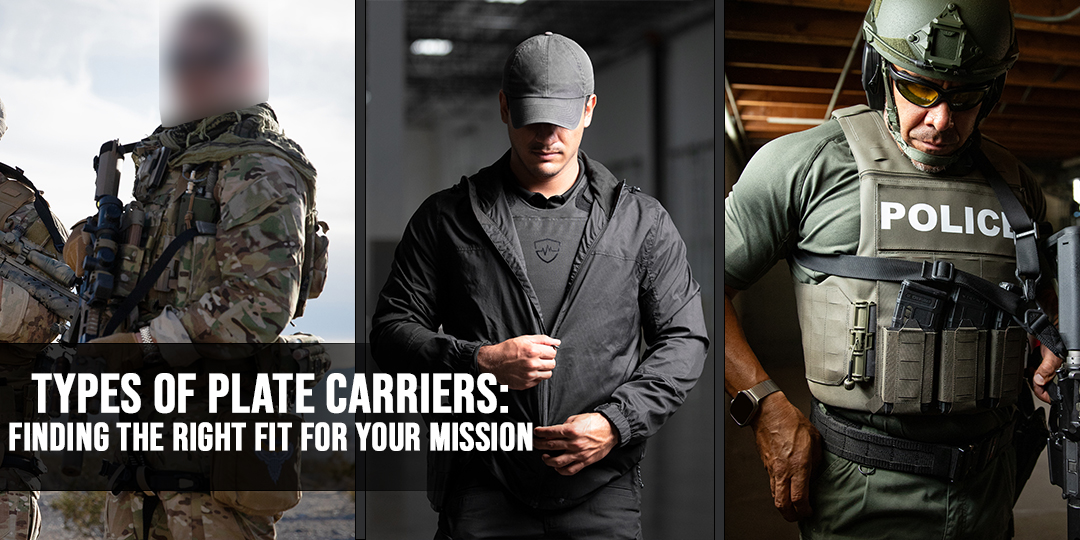
There are many different types of plate carriers on the market, and finding the right type of plate carrier for you can feel overwhelming. Every plate carrier is designed for a specific purpose, and selecting the right one depends on the level of protection required, the operating environment, and mobility needs.
The plate carriers that are designed for patrol officers may not work for personal protection, and the carriers designed for covert operations will not be able to support a full loadout for overt operations. In this guide, we will break down the major types of plate carriers, their evolution, and the features that matter when building a reliable system.
Understanding Plate Carriers
What is a Plate Carrier?
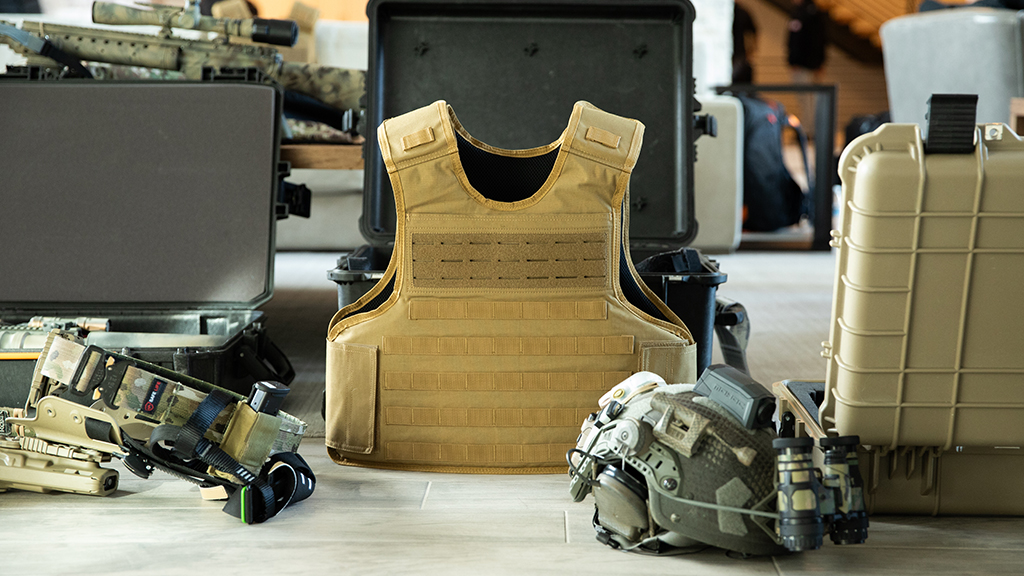
A plate carrier is a load-bearing system designed to hold body armor. Some are made for soft armor, some for hard armor, and a few that can hold both. Plate carriers differ in shape, materials, and the way they manage weight. There are certain types of plate carriers that work well in hot and dry conditions, and others work better in cold and wet conditions.
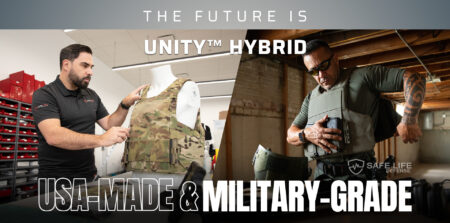
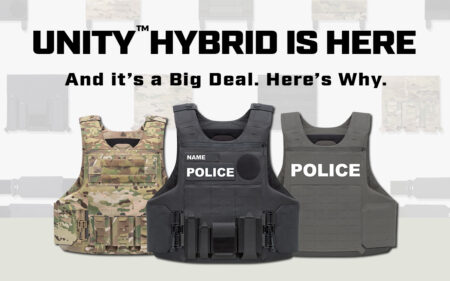
Before choosing a plate carrier, determine the protection level you need and whether you want extended soft armor coverage or the increased rifle protection of hard plates. A hybrid system like our Unity™ Hybrid Armor System serves both purposes and offers true modularity and scalability for different missions.
History and Evolution of Plate Carrier
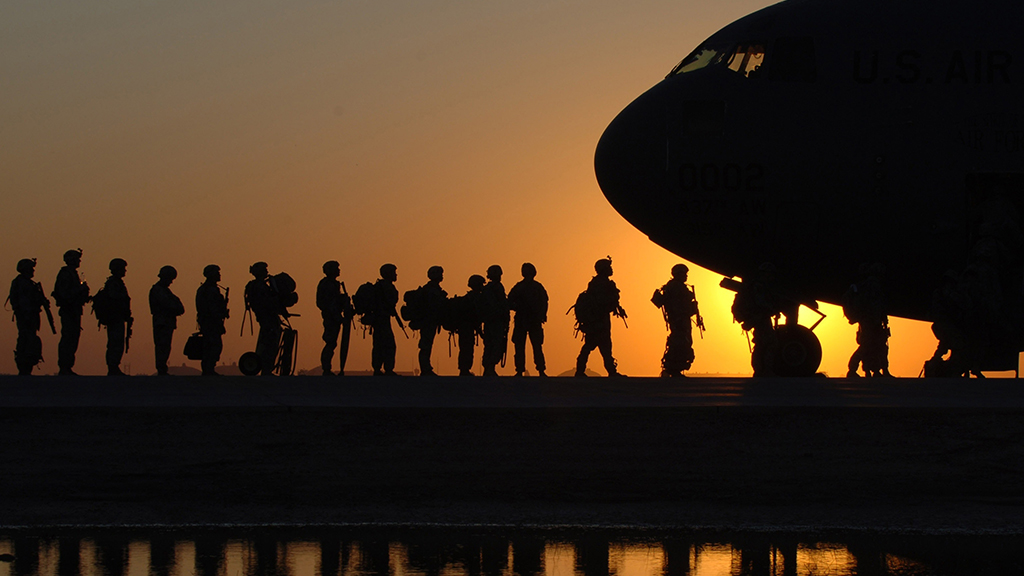
Early types of plate carriers trace back to World War II when aircraft pilots and crewmen wore Flak Jackets to protect against shrapnel. Fast forward 20 years, in the dense jungles of Vietnam, ceramic rifle-rated plates began to find use and were being inserted into flak jackets for increased protection. This was the first time rifle-rated armor was paired with a carrier, giving individual protection to soldiers.
As load requirements for soldiers changed, so did the types of plate carriers. In the late 1990s, the U.S. government submitted its first contract for a new age of plate carriers. The first two types of plate carriers, the Interceptor Body Armor System, and its predecessor, the Outer Tactical Vest (OTV), were contracted to be made by Point Blank Body Armor. Although they were bulky and heavy, these vests were issued to U.S. troops up until 2007. By the end of 2007, the U.S. Army had adopted the Improved Outer Tactical Vest (IOTV), and the U.S. Marine Corps had adopted the Modular Tactical Vest (MTV).
Both the IOTV and the MTV had paved the way for lighter, more modular, and agile systems like the U.S. Army’s Modular Scalable Vest and the U.S. Marine Corps Plate Carrier Gen III. These modern plate carriers prioritize weight reduction, increased modularity, better mobility, and scalability. Throughout each generation, the goal has remained constant: keep the end-users as protected as necessary while reducing their fatigue.
Key Components of Plate Carriers
Tactical Plate Carriers
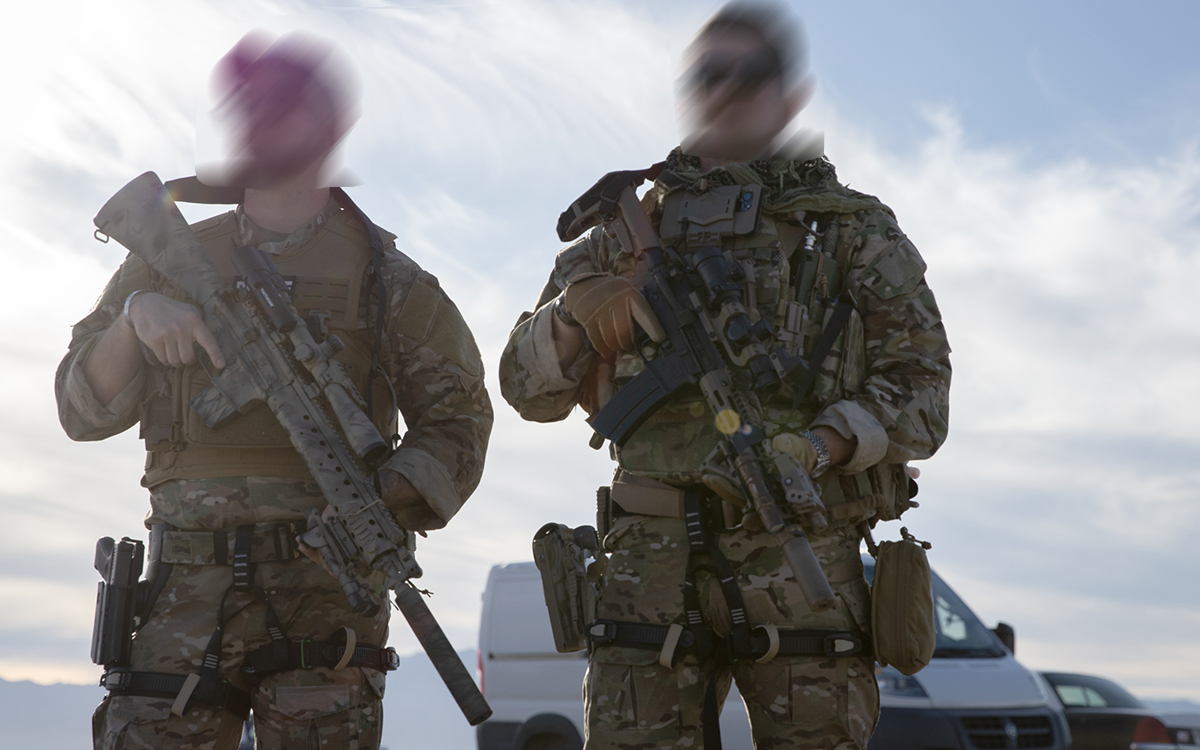
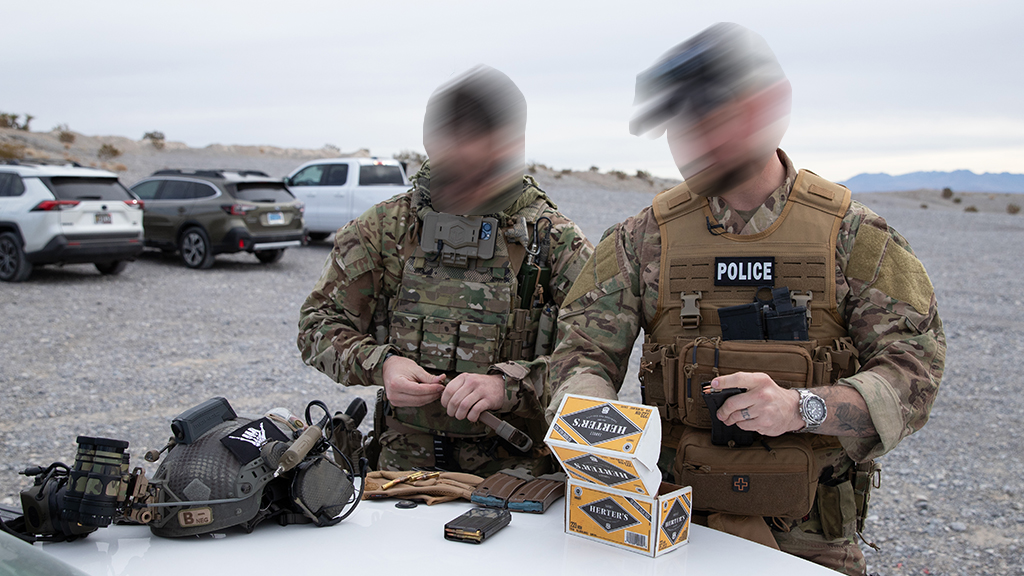
Tactical or overt plate carriers are built for modularity and scalability. They typically have more attachment points, more adjustments for adjusting the fit and feel, and better load distribution than more streamlined carriers.
Features of Tactical Plate Carriers
- Adjustable and interchangeable side straps
- May offer the ability to scale from covert to overt (concealed to external)
- Weight distributing systems
- Durable constructions
- Able to add and remove pouches/equipment when needed
- Placard compatibility
Ideal Applications for Tactical Carriers
Tactical carriers work for military deployments, Law Enforcement Officers, Security officers, training, and any job where the end user expects to add or change their equipment over time. Tactical plate carriers suit anyone who needs a versatile platform that evolves with their roles.
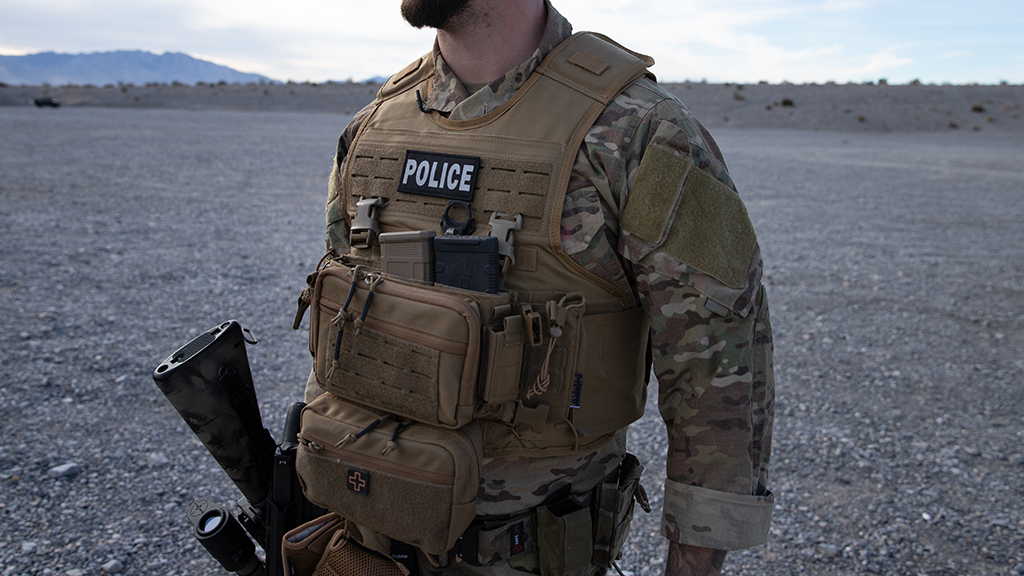
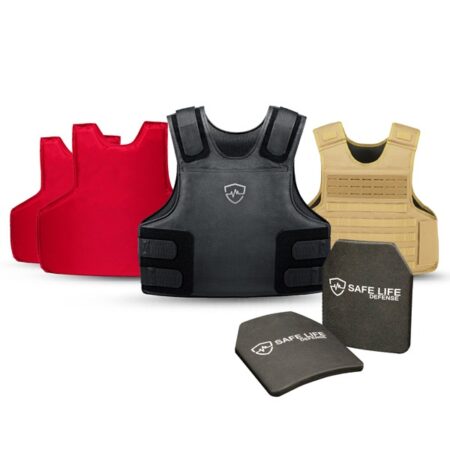
Tactical plate carriers allow end users to adapt to any mission, making them some of the most popular picks across the board. At Safe Life Defense, we have two different styles of tactical carriers. Our standard tactical carrier features standard molle lower front and rear with a laser cut molle Velcro® area. The molle allows end users the ability to attach pouches/gear where they need them.

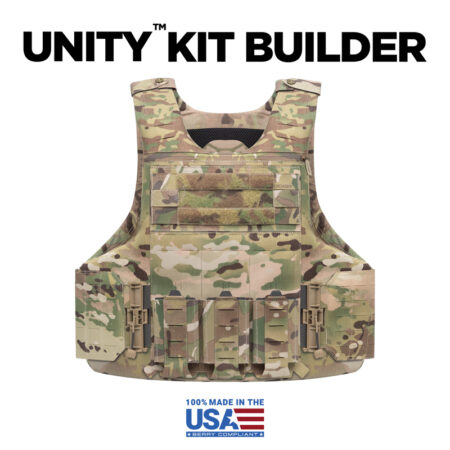
The second carrier, and perhaps the most advanced tactical carrier on the market right now, is our Unity™ Hybrid Carrier. Our Unity™ Hybrid System offers complete modularity and scalability. With a dual-placard system on both the front and rear plate bags, this allows end users to completely tailor their vest to their mission. Being able to change placards on a carrier that accepts soft armor panels AND hard armor plates, providing scalable systems for both armor and plate carriers.
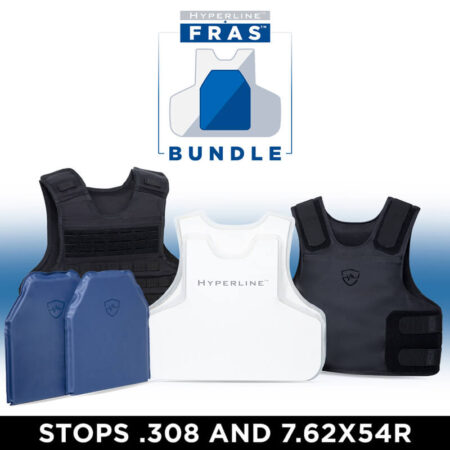
Hard armor is heavier than soft armor, but newer systems like our FRAS and lightweight ceramic plates balance protection and mobility. However, due to the materials involved in the manufacturing of hard armor, rifle-rated protection will almost always be considerably heavier than soft armor.

Concealable Plate Carriers
Minimalistic, Slick, low-profile, covert, all these adjectives are used to describe concealable carriers; however, not all concealable carriers will have the same features. Concealable carriers are designed with minimalistic characteristics to maintain a low profile in hopes of being undetectable in volatile environments. With minimalistic designs, manufacturers help end users to have discreet protection where and when they need it.
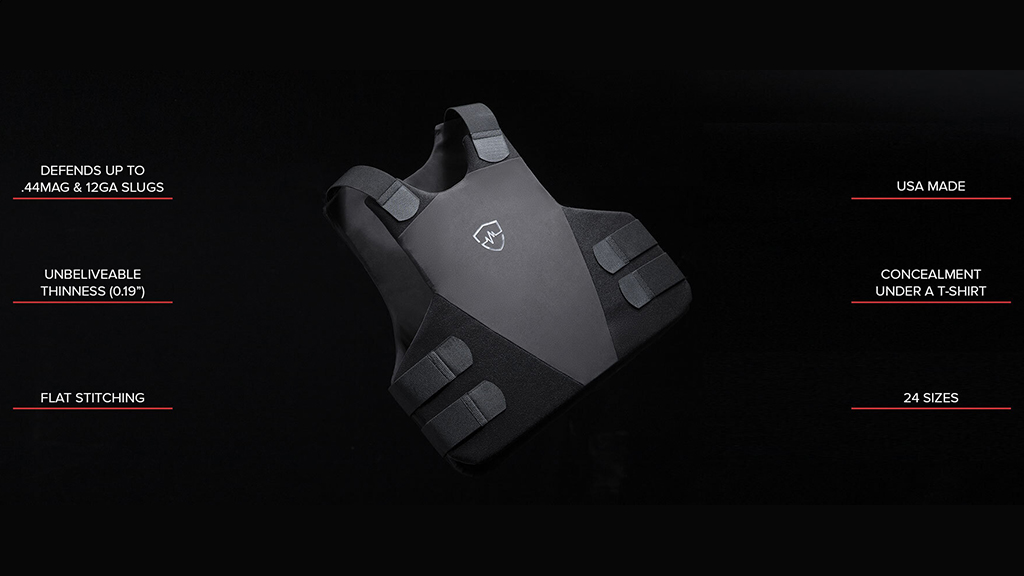
Features of Concealable Plate Carriers
- Slick/Low-Profile exteriors
- Elastic Side Straps
- Limited attachment points (Some carriers allow for placards to be attached when necessary)
- Simple, low-profile shoulder straps
- Ability to fit different styles of side straps
- Flexible lightweight Materials
Ideal Applications for Concealable Carriers
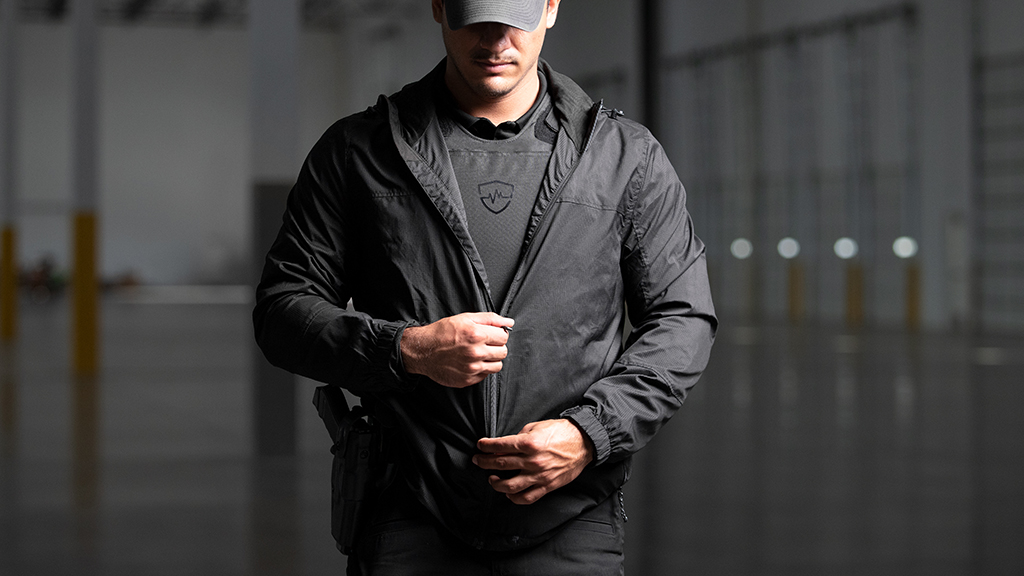
Concealable carriers are typically used in operating environments where the end-user does not want to be perceived as a “threat.” Roles like private security details, undercover operations, executive protection, and for those who need the protection that body armor offers, without it being visible to an untrained eye.

Balancing Concealability and Protection
It is important to find the balance between concealability and the level of protection needed. Note that hard armor plates will be harder to conceal than soft armor panels. Not only due to hard armor being thicker than soft armor, but also because hard armor is rigid and does not conform to the body like soft armor. If you are trying to minimize printing, soft armor and an ultra-low-profile carrier would be able to disappear under most garments.
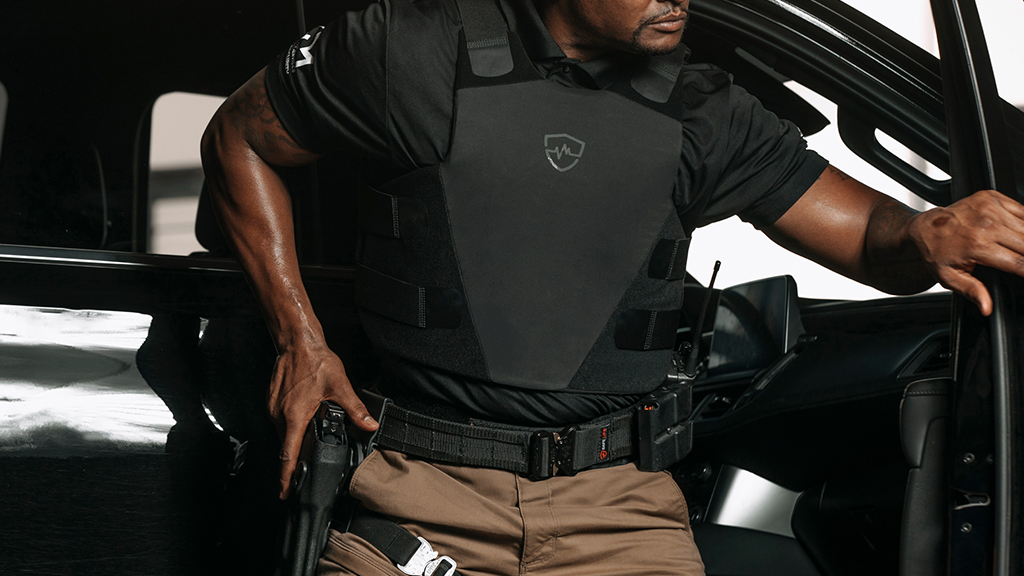
Which concealable carrier is right for you?
With so many different slick plate carriers on the market, the best place to start, like always, is your armor. Soft armor is naturally easier to conceal than hard armor, making it ideal for discreet applications. Whether you need hard armor or soft armor, it is important to note that not all concealable carriers are created equal.
At Safe Life Defense, we offer multiple distinctive styles of concealable carriers, each designed to meet different needs. For example, our Concealable Multi-Threat Level IIIA+ Vest provides level IIIA ballistic protection, Level 1 Spike rating capable of stopping stabs up to 36 Joules, and a low-profile carrier built to minimize printing and maximize protection. Our concealable carrier also features a front and rear plate pocket that allows end users to scale their protection level by adding or removing rifle-rated armor.
On the other hand, the Hyper Concealable Hyperline™ Level IIIA Vest focuses on maximum concealment. While it still offers the same Level IIIA ballistic protection, it does not provide the same stab protection as the Multi-Threat Level IIIA+ armor. When paired with our ultra-thin and durable Hyper Concealable Carrier, Hyperline™ panels offer NIJ Certified Level IIIA protection in a vest measuring under ¼ of an inch thick.
When choosing a concealable carrier, carefully consider your protection levels, ideal profile, and scalability needs to help ensure you select the option that best fits your needs.
Scalable Plate Carriers
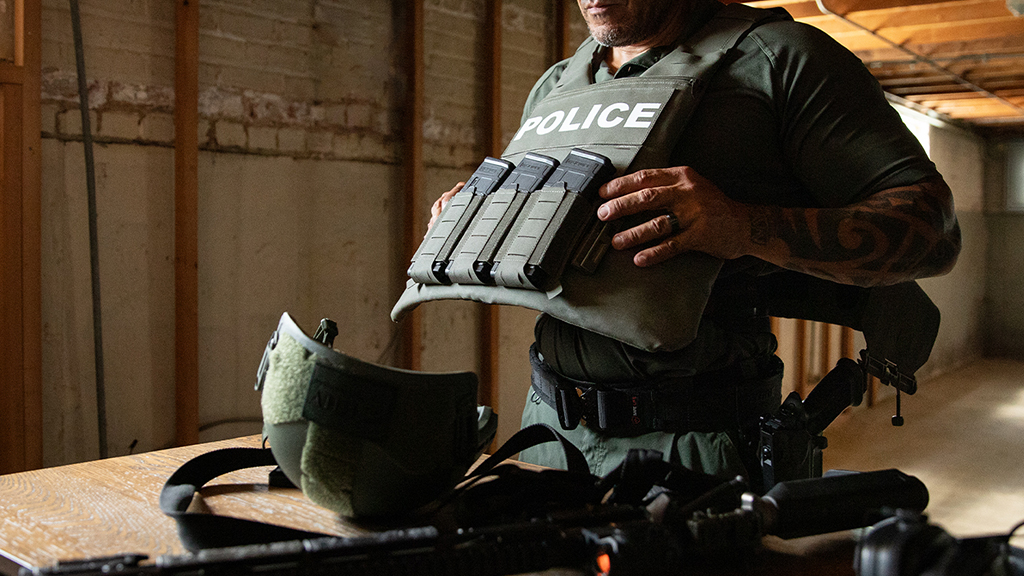
Scalable plate carriers allow end users to add or remove equipment or armor depending on mission requirements. These carriers rely on proprietary or modular add-ons, like placards, interchangeable side straps, and zip-on rear panels, to adapt to different missions. Scalable plate carriers can go from a slick, low-profile setup to a fully equipped tactical setup, making ONE carrier system suitable for multiple operating environments.
With scalable systems like our Unity™ Hybrid Armor System, end users can increase or decrease load capacity, add communication systems, integrate medical gear, and/or any other mission-essential equipment as needed. Scalable carrier systems are the most flexible option for those who want one carrier to do every job well.
Advantages of Scalable Plate Carriers
- More efficient load distribution
- Placard Compatibility
- Ability to fit different styles of side straps
- Easy to add or remove medical, comms, breaching tools, etc.
- Ability to add on rear zip-on panels
- Optional Side Armor
- Soft and/or Hard Armor Compatibility

Ideal Applications for Scalable Plate Carriers
Modular, or Scalable plate carriers work best for end users who regularly adjust their kit. Whether your changes are driven by mission sets, operational efficiency, or real-world experiences, scalable carriers can be fully tailored to your individual needs.
Their modular design is ideal for team-based environments, allowing each end user to carry role-specific equipment without switching carriers. End users can fine-tune their pouches, placards, hydration systems, communication systems, and other mission-critical tools. While these systems start with a basic set of plate bags, they can add different pieces of kit on as needed, making them more cost-efficient long term.

What is the Most Scalable Plate Carrier?
At Safe Life Defense, we continuously research and develop products that address the evolving needs of our end users. Our new Unity™ Hybrid Armor System is a prime example of complete modularity. Our Unity™ Hybrid System features:
- Dual Placard Systems on both the Front and Rear Plate Bag (Front A and B, Rear C and D)
- Quick-release side straps with optional side armor
- Integrated cable management
- Rifle plate compatibility
- Adjustable hard armor/plate ride height
- Interior ventilation
- Reinforced edge construction
- Front-loading armor design (Reduces pressure points on the interior of the carrier)
These features allow end users to tailor their carrier for increased efficiency on duty. The Unity™ Hybrid Armor System is scalable not only through placards, pouches, patches, and side straps, but also through armor configuration. Each plate bag accepts multiple hard armor shapes and cuts when matched to our size chart. This allows end users to add or remove rifle plates as their mission dictates.
Specialty Plate Carriers
Specialty plate carriers are designed for unique jobs, missions, or environments. These carriers offer specific features like extreme lightweight designs for increased mobility, integrated quick-release systems, specialty fabrics that perform better in extreme environments, or enhanced comfort for prolonged use.
Maritime/Amphibious Plate Carriers
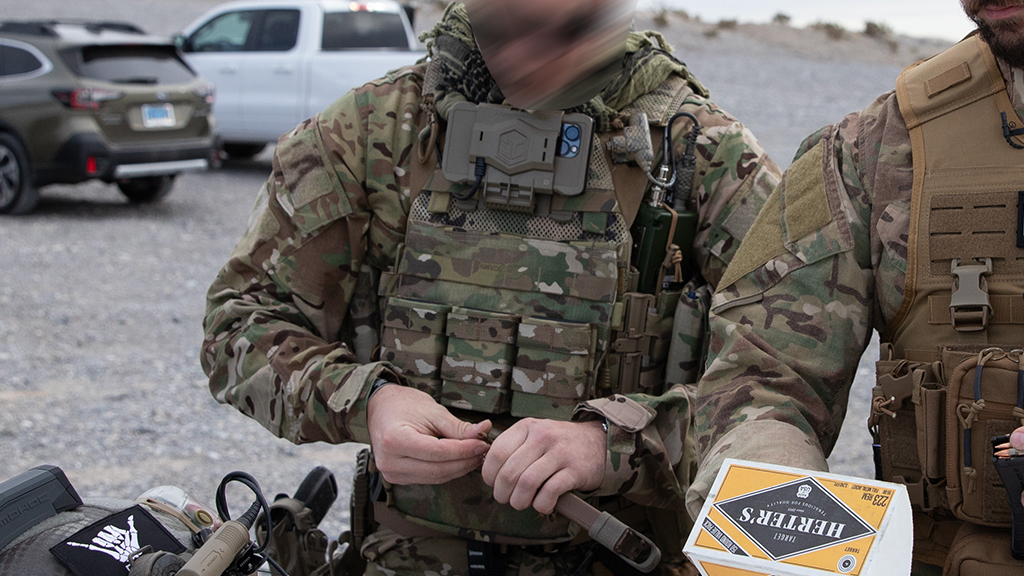
These carriers are specifically designed for waterborne operations. Older models had bulky flotation inserts, but modern carriers rely on buoyant armor plates and lightweight hydrophobic materials. Some companies have even tried to integrate flotation devices directly into the carrier’s framework. Other manufacturers will even use a durable mesh material for the main plate bags to help the water drain out of the carrier more efficiently. The end goal for all maritime plate carriers is to shed water-weight as fast as possible, without compromising the structural integrity of the carrier itself.
First Responder Plate Carriers
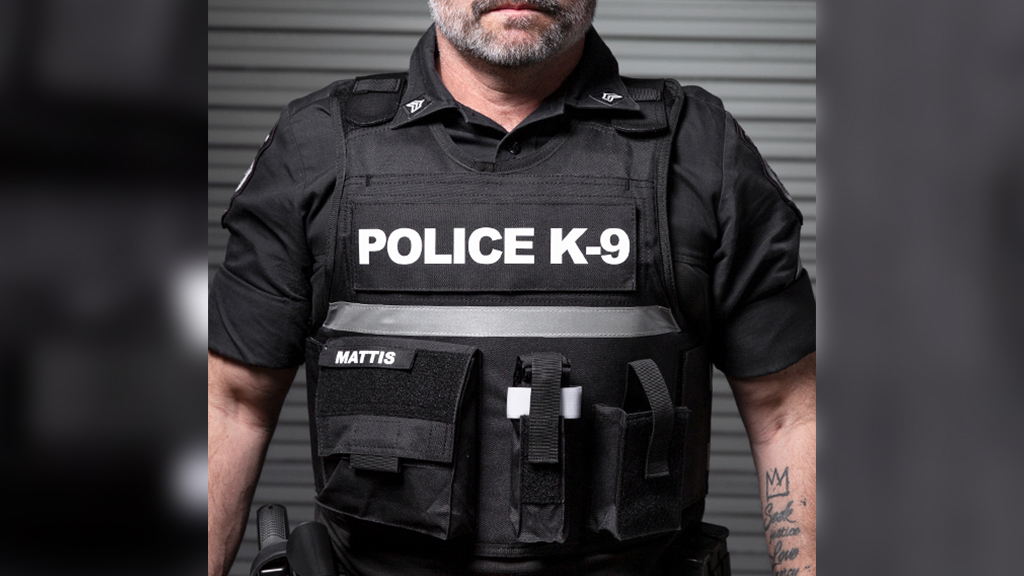
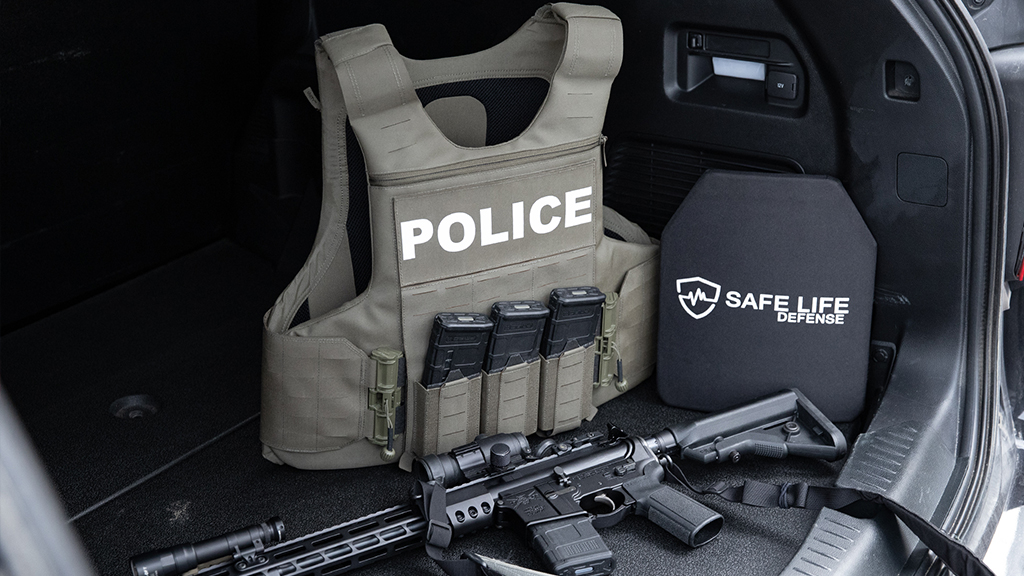
First Response carriers are optimized for holding medical gear or other duty-based equipment. Our First Response Carriers were specifically designed for storing medical equipment like bandages, medical shears, tourniquets, and a radio. It organizes all these medical tools in pouches that are easy to access while still providing ballistic protection. Making this carrier ideal for Emergency Medical Services or Search and Rescue.
Materials and Construction
Common Material Types
Fabric Types and Durability
Nylon, polyester, TPU, laminates, ripstop, and reinforced fabrics each have their own distinct qualities. Even materials listed at the same denier, weight, thickness, etc., will vary from manufacturer to manufacturer due to production processes. Look for manufacturers that list the materials used in the production of their different types of plate carriers.
Size and Fit Considerations
Size and fit vary between brands, so when purchasing a plate carrier, be aware of your armor shape/cut. Whether your armor is SAPI, Shooter’s, or Swimmer’s cut, some carriers will accommodate certain cuts better than others. Also consider the thickness of your armor, as some carriers fit thinner plates well but may not accept the same size plate with a greater thickness.
Measuring for a Proper Fit
Measure from just below your sternal notch to about a finger to two finger widths above your belly button for the proper plate height. For proper width, measure from nipple to nipple. These measurements will ensure that you choose the right size armor to protect your vital organs in your thoracic cavity.
How Important is a Proper Fit
A plate carrier that is too small will leave your vital organs exposed to threats. A plate carrier that is too large will shift during movements, cause premature exhaustion, and reduce mobility. If your carrier is an ideal fit, it should feel as if it is an extension of your own body.
There are different styles of rifle plates depending on the amount of mobility you need. Both the shooter’s cut and the swimmer’s cut plates allow for more mobility; however, the overall coverage area does decrease.
Soft and Hard Armor Integration
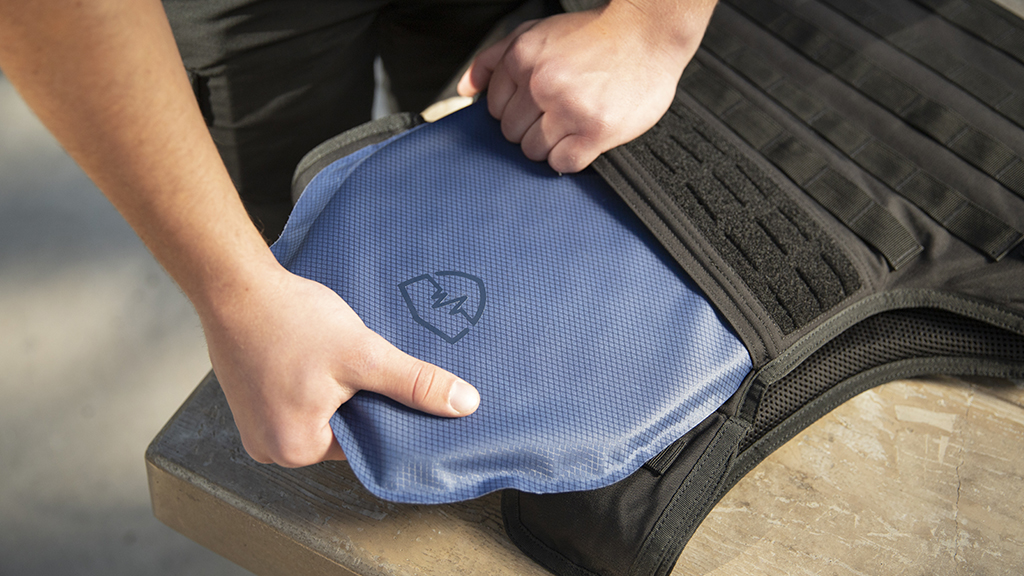
Most types of plate carriers require switching the entire carrier platform to go from soft armor to hard armor or vice versa. There are a few manufacturers who offer scalable plate carrier systems that use soft armor as a base to then add, in conjunction with rifle plates, to scale protection as needed.
Our Unity™ Hybrid Armor System is perhaps the only soft armor carrier with a dual placard system on both the front and rear bags, allowing for FULL carrier customization. It uses placard systems similar to other types of plate carriers and also features quick-access front and rear plate pockets. These plate pockets are internal, with no sewn-on exterior plate pockets. At the bottom of each internal plate pocket is an adjustable strap that allows end users to set plate ride height properly, ensuring the thoracic cavity is protected as designed. This is the best carrier on the market for integrating soft armor with hard armor, while not limiting modularity.

Choosing the Right Type of Plate Carrier
After people ask themselves these questions, many users often find that a scalable hybrid design provides better value with greater adaptability. If you have any questions regarding any of our products, especially our carriers, please feel free to reach out to our customer service team at 702-829-4029 or via email at info@safelifedefense.com.