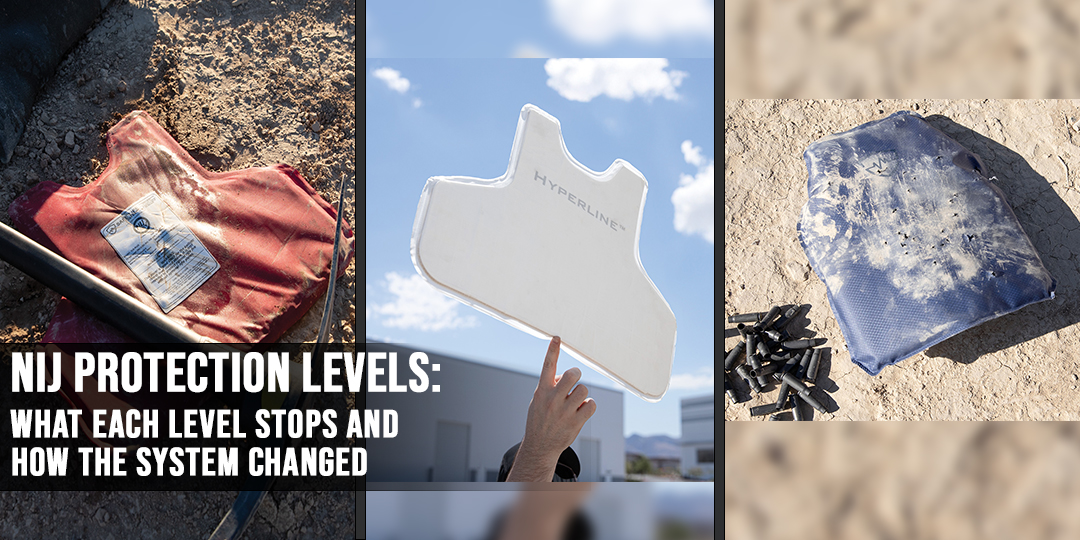
NIJ Protection Levels rate body armor by the ammunition it can stop. Two standards govern this in 2026. NIJ Standard 0101.06 uses Levels IIA, II, IIIA, III, and IV. Its replacement, NIJ Standard 0101.07, uses HG1, HG2, RF1, RF2, and RF3, and has been in active testing since April 2024 although as of today no NIJ Certifications to this level have been processed.
What NIJ Protection Levels Are (And Why There Are Two of Them Right Now)
The National Institute of Justice (NIJ) is the research arm of the U.S. Department of Justice. It writes the voluntary ballistic standard that body armor is tested against, runs the Compliance Testing Program through accredited third-party labs, and maintains the Compliant Products List (CPL). When marketing says “NIJ certified” that’s shorthand for a product that passed NIJ testing and currently sits on the CPL (Certified Products List).
The reason there are two standards in play right now is that the system changed. NIJ 0101.06, published in 2008, governed body armor testing for fifteen years.
On November 29, 2023, NIJ replaced it with two paired documents: NIJ Standard 0101.07 (the test methodology) and NIJ Standard 0123.00 (the threat levels and ammunition specifications). Testing under the new standards began April 2024.
The practical result: armor labels in 2026 reference one standard or the other depending on when the product was tested. Both are legitimate. The rest of this guide is how to read both.
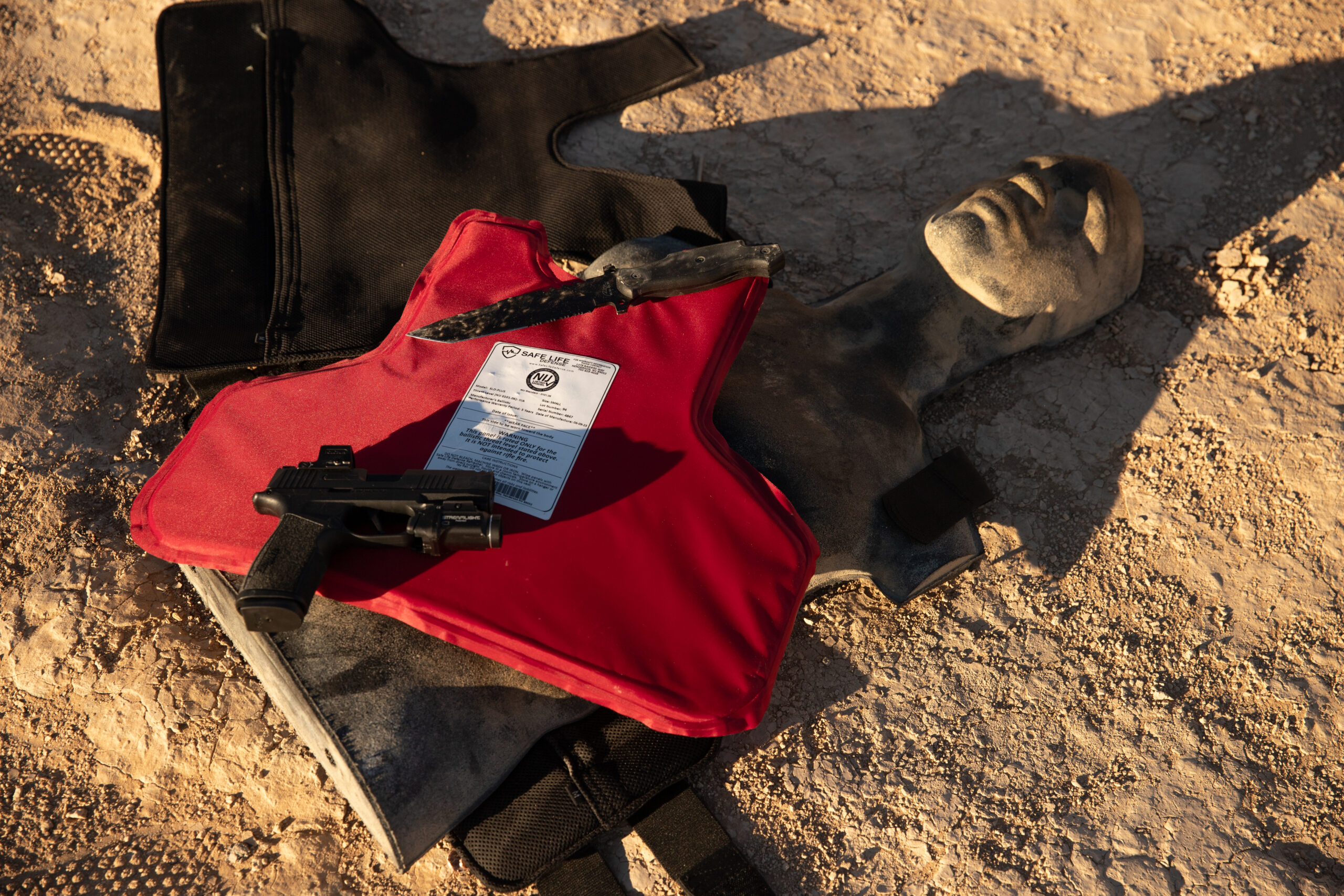
The Five Levels Under NIJ 0101.06 (The Legacy Standard)
NIJ 0101.06 has been the operating standard since 2008, and it remains active today. Every piece of currently certified body armor on the market is certified under 0101.06, because no products have completed certification under the newer 0101.07 standard yet. It will stay the active certification standard for at least the next few years. The five levels (IIA, II, IIIA, III, and IV) run from lightest soft armor designed for handgun rounds to the highest level of rifle plate, with the soft-to-hard transition happening at Level III.
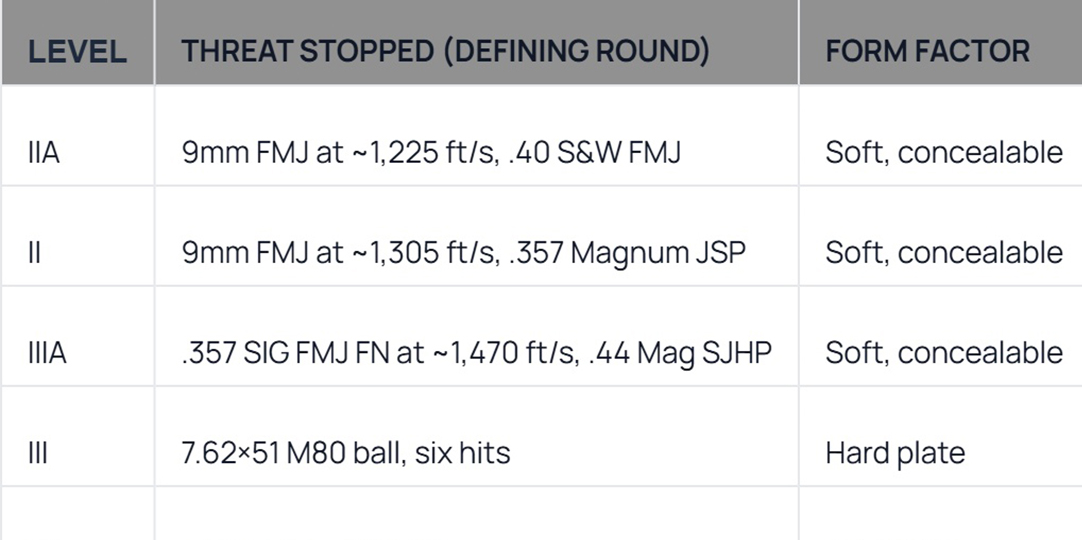
Level IIA
The lightest soft armor rating. Tested against 9mm FMJ round nose at approximately 1,225 ft/s (124 grain) and .40 S&W FMJ at approximately 1,055 ft/s (180 grain). Soft, concealable, light enough for all-day wear without fatigue.
Does not stop all common handgun rounds and is generally considered obsolete.
Level II
Soft armor with broader handgun coverage. Tested against 9mm FMJ at approximately 1,305 ft/s (124 grain) and .357 Magnum jacketed soft point at approximately 1,430 ft/s (158 grain). Still concealable. No rifle protection. Typical user: patrol officers in lower-threat environments. Historically the everyday-wear sweet spot for departments that didn’t need IIIA.
Level IIIA
The highest soft armor rating under 0101.06, and the most common civilian-purchased threat level. Tested against .357 SIG FMJ flat nose at approximately 1,470 ft/s (125 grain) and .44 Magnum semi-jacketed hollow point at approximately 1,430 ft/s (240 grain).
Both are demanding handgun threats. IIIA also covers every threat below it. As the highest soft-armor level, it still offers no rifle protection. Typical user: civilians wanting broad handgun coverage without plates, plainclothes officers, security personnel in concealment-required roles.
Level III
The transition to hard armor. Soft panels alone don’t reach this rating. Tested against 7.62×51 NATO M80 ball (147 grain FMJ) at approximately 2,780 ft/s, six spaced hits on the same plate. This is what most people mean when they say “rifle plate”.
Critically, 0101.06 Level III was not tested against 5.56 M193 or M855 green tip, the two most common civilian rifle threats.
That gap created the “Level III+” market, addressed later in this guide. Level III is not rated for armor-piercing ammunition such as .30-06 M2 AP, and without additional III+ testing it is not certified against the 5.56 M193 or M855 rounds described above. Typical user: tactical teams, active-shooter response, military, any role where rifle threats are likely.
Typical user: tactical teams, active-shooter response, military, any role where rifle threats are likely.
Level IV
The highest rating under 0101.06. Hard armor, almost always a ceramic and polyethylene hybrid. Tested against .30 caliber (30.06) M2 armor-piercing (166 grain) at approximately 2,880 ft/s, single hit.
Typical user: military, federal tactical units, high-risk security details where AP rifle ammunition is part of the threat profile.
0101.06 levels at a glance
Where the standard sits in 2026
NIJ closed the 0101.06 Compliant Products List to new applications on January 5, 2024. Final adjudications for in-process applications wrapped in February 2025. The existing CPL stays maintained through at least the end of CY 2027, after which it will be retired.
The practical implication for buyers: a vest you bought in 2022 with a valid 0101.06 IIIA certification is still on the list, still rated, and still stops the same rounds it stopped the day you bought it. The standard transitioning doesn’t change the physics of your armor.
The Five Levels Under NIJ 0101.07 (The Current Standard)
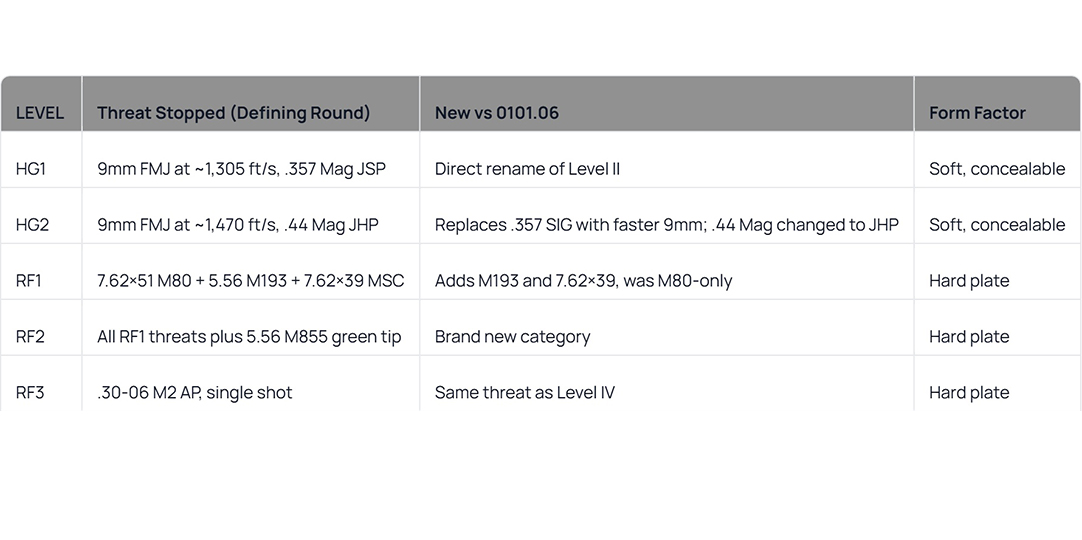
The new system uses two-character codes that describe the threat type directly. HG means handgun. RF means rifle.
The number indicates increasing capability within each category. The naming is the smallest part of the change. Test methodology was tightened, conditioning protocols changed, a new intermediate category was added, and Level IIA was retired entirely.
HG1
The entry-level handgun rating. Tested against 9mm FMJ round nose (124 grain) at approximately 1,305 ft/s and .357 Magnum jacketed soft point (158 grain) at approximately 1,430 ft/s. Same test rounds as the old Level II, at the same velocities. HG1 is the cleanest direct rename in the new standard.
What’s gone: Level IIA. The 9mm-at-1,225 ft/s and .40 S&W-at-1,055 ft/s threats from the old IIA category are not part of 0101.07. NIJ retired the level rather than renaming it.
HG2
The highest soft-armor rating in NIJ .07. Tested against 9mm FMJ round nose (124 grain) at approximately 1,470 ft/s and .44 Magnum jacketed hollow point (240 grain) at approximately 1,430 ft/s. This is where the casual “HG2 is just IIIA renamed” framing breaks down.
Two changes matter…
First, the .357 SIG FMJ flat nose round that anchored the old IIIA test is gone. It’s been replaced with 9mm round nose at the same demanding velocity, which is a far more common round than .357 sig. A meaningful change..
Second, the .44 Magnum projectile changed from semi-jacketed hollow point (SJHP) to standard jacketed hollow point (JHP). Different deformation behavior, different penetration profile.
RF1
The baseline rifle rating. Tested against three different threats: 7.62×51 NATO M80 ball (149 grain, updated from 147 grain in the standard’s first addendum) at approximately 2,780 ft/s, 7.62×39 mild steel core at approximately 2,400 ft/s, and 5.56 M193 (56 grain) at approximately 3,250 ft/s.
This is the biggest practical upgrade in the new standard. Old Level III was tested only against 7.62 M80. RF1 now tests against two more rifle threats (M193 and 7.62×39) that Level III certification never proved out.
A plate that passes RF1 has demonstrated multi-threat capability, not just M80 stopping power.
RF2
This category did not exist under 0101.06. RF2 covers everything in RF1 plus 5.56 M855 “green tip” (62 grain) at approximately 3,115 ft/s.
The M855 is a steel-core round that defeats some Level III plates because of its penetrator design, which is why the III+ market existed in the first place.
RF2 formalizes that gap. Once an RF2 Compliant Products List is published, most legitimate III+ plates are expected to migrate onto it.
RF3
The highest rifle rating. Tested against .30-06 M2 armor-piercing (165.7 grain) at approximately 2,880 ft/s. Same test round as old Level IV, same single-shot framework. The conditioning protocol differs (covered below), but the threat is unchanged.
0101.07 levels at a glance
What changed beyond the names
Three structural changes matter as much as the renaming.
Conditioning velocity. Under 0101.06, “conditioned” armor (subjected to wear simulation that mimics years of use) was tested at lower velocities than new armor, on the assumption that worn armor faces relaxed performance expectations.
Under 0101.07, conditioned and unconditioned armor face the same velocities. Worn armor has to perform at full test velocity, full stop.
7th 45-degree angled shot for soft armor. Real-world handgun strikes are rarely perpendicular. 0101.07 added an additional 45-degree angled test for soft panels, replicating edge strikes during dynamic encounters.
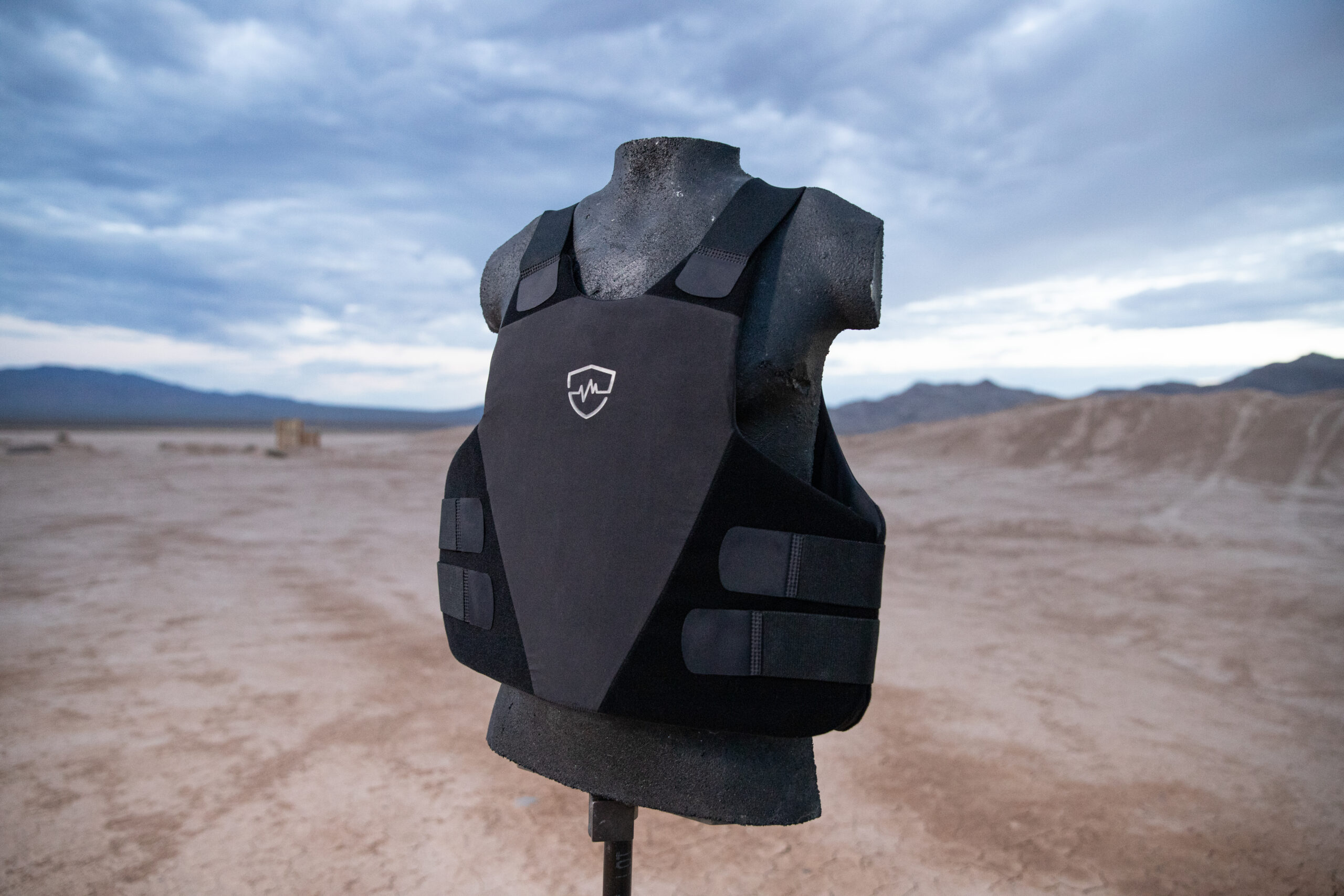
Vests with sloped panel geometry (full-coverage wraparound designs, women’s-fit panels) are more directly tested for how they actually deflect rounds in motion.
Female specific clay backing and shot placement. The new standard introduced clay backing protocols and shot placement geometry designed around the contours of women’s vest panels, rather than approximating them with male-template testing.
This is the first time the NIJ standard has formally tested armor for women under a protocol designed for women.
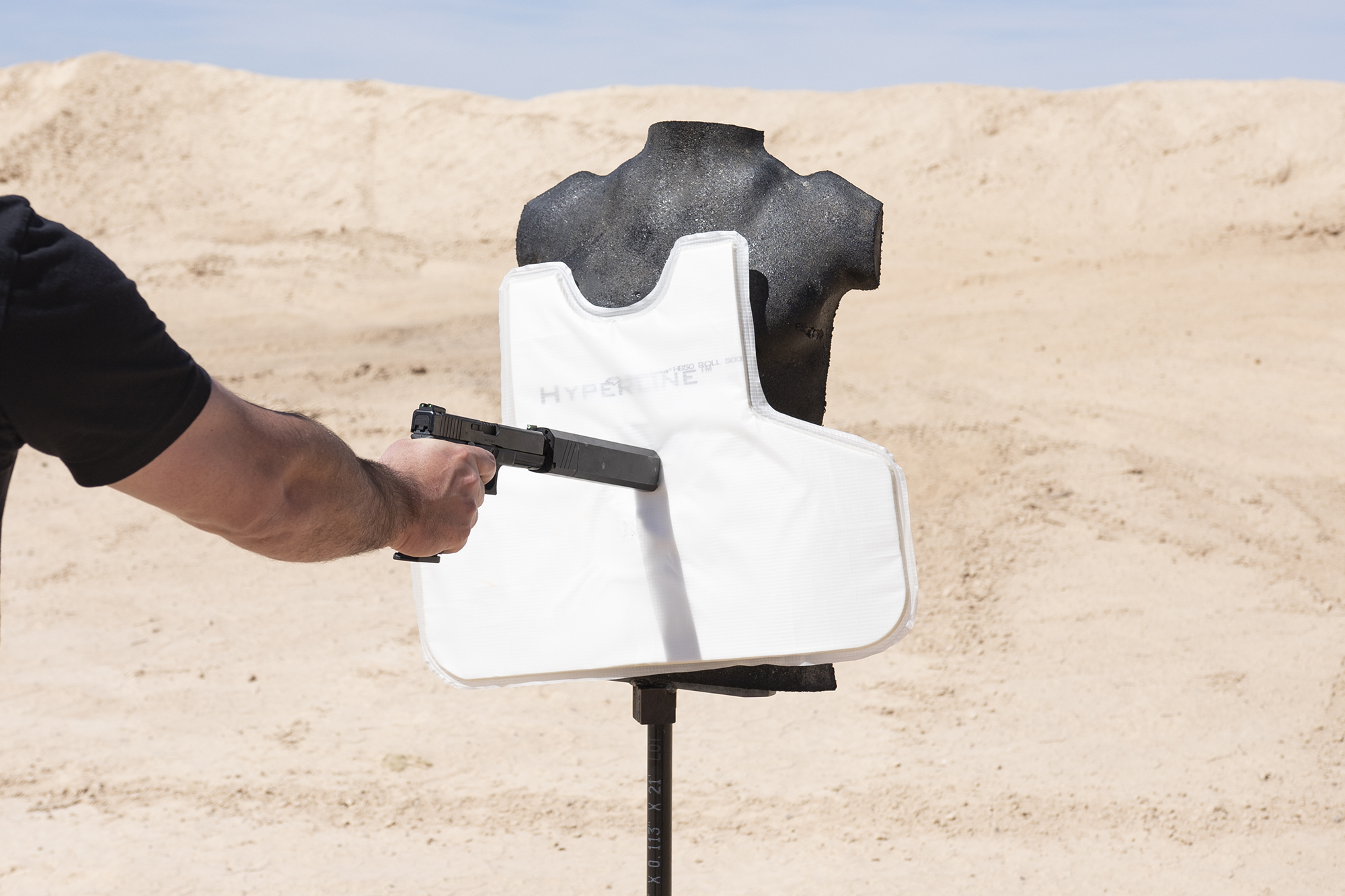
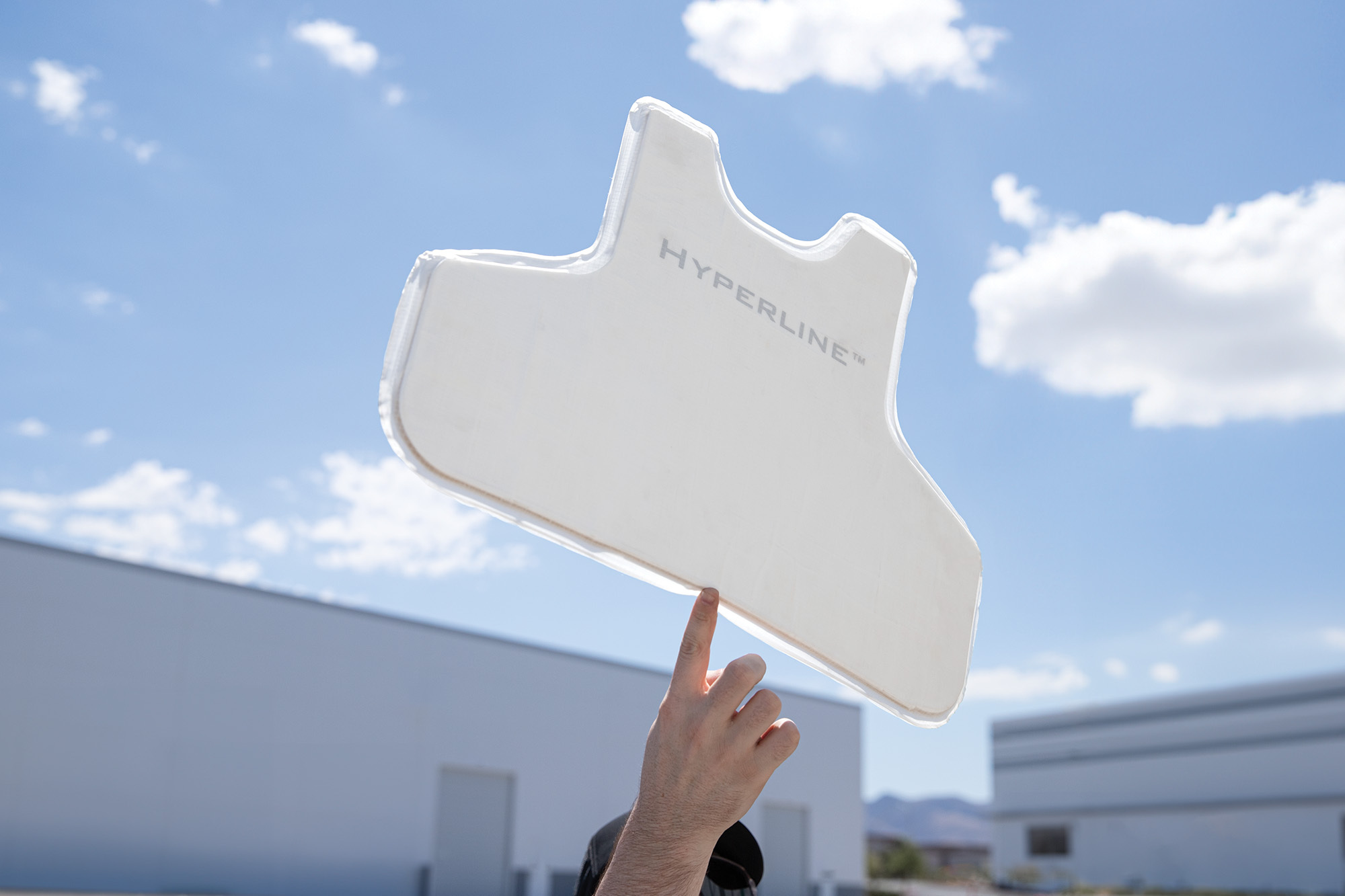
Safe Life Defense’s Hyperline IIIA, recorded V0 backface deformation averages of 26 mm against 9mm and 34.1 mm against .44 Magnum, against the 44 mm allowable maximum.
V50 against .44 Magnum measured 1,739 ft/s, well above the HG2 test velocity. First-party numbers like these are what the new conditioning protocol looks like in practice when armor passes.
How NIJ 0101.06 Maps to NIJ 0101.07
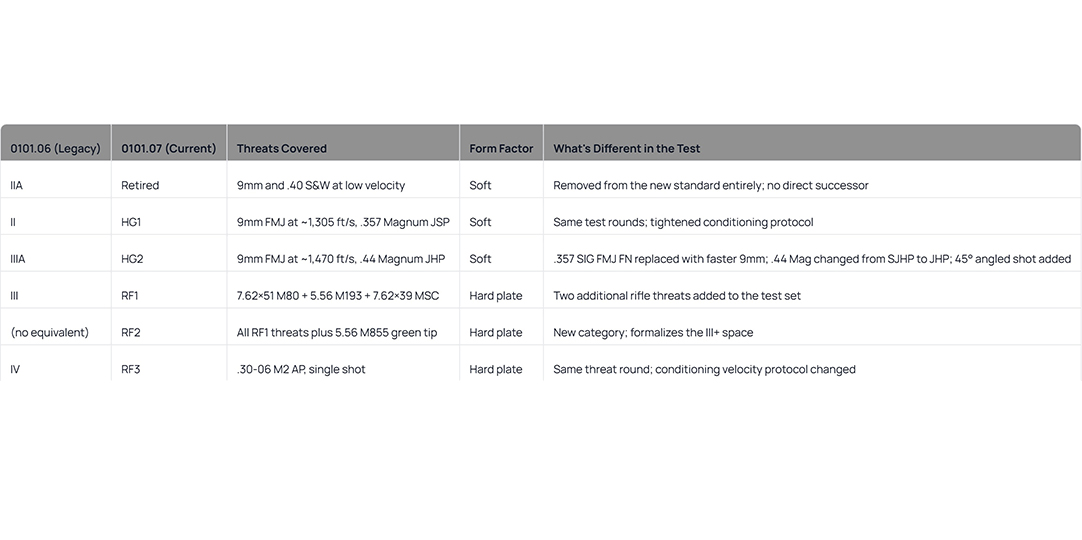
Most readers come to this question expecting a clean rename chart. The reality is more nuanced. The names mostly map across, but the tests changed enough that “HG2 is just IIIA renamed” is the wrong way to think about it. Here’s the actual crosswalk.
Comparable is not the same as equivalent
The cleanest direct rename in the table is II to HG1. Same rounds, same velocities. But even there, the conditioning protocol tightened (worn armor now faces full-velocity testing, where it previously got a lower-velocity allowance).
Every other row carries more substantive change: HG2 swaps its hardest test round, RF1 triples the rifle threats it must defeat, and RF3 inherits the same conditioning change as the rest.
When marketing copy says “0101.07 comparable,” that’s usually accurate. When it says “0101.07 equivalent,” ask which round, which velocity, which conditioning state. Sellers who can answer those three questions know their product. Sellers who can’t are guessing.
What happened to Level IIA
It was retired. NIJ removed the IIA threat profile from 0101.07 because the rounds it tested against (low-velocity 9mm and .40 S&W) sit below the threshold that meaningfully separates “armor” from “very thin armor.”
If you own a IIA vest, it still stops what it was rated against. But there is no HG0 or sub-HG1 category coming. Anyone shopping for level IIA body armor in 2026 should look at HG1 instead, because the price and weight delta is small and the protection delta is real.
What RF2 actually solves
Notice the row with no 0101.06 equivalent. RF2 didn’t replace anything. It filled a gap. For fifteen years, the rifle defeat options on the Compliant Products List were Level III (which didn’t test against 5.56 M855 green tip) and Level IV (which only handled a single AP round).
Buyers who needed multi-hit protection against M855 had no rated option, which is what created the “Level III+” market in the first place: manufacturers tested their plates against M855 independently and added the “+” suffix to indicate it.
RF2 makes that a formal NIJ category. Once an RF2 Compliant Products List is published, the III+ designation will start fading from new product marketing, replaced with proper RF2 listings. Until then, III+ remains a manufacturer claim backed by independent lab reports, which Section 6 unpacks in detail.
Why there's no "+" row in the crosswalk
The table covers NIJ ratings only. Level III+ and IIIA+ are absent because they are not official NIJ ratings. They are manufacturer designations layered on top of NIJ certification, indicating additional independent lab testing against threats outside the NIJ test set. Usually, the + designates a substantial additional threat. The crosswalk maps standard to standard. The “+” market lives one step outside that map, and it’s where the next section picks up.
What This Means If You Already Own NIJ-Rated Armor
Armor certified under NIJ 0101.06 is still legitimate. It is still on the Compliant Products List. It still stops the rounds it was rated against. You do not need to replace it because the standard changed.
Here is the actual transition timeline:
- November 29-30, 2023: NIJ Standards 0101.07 and 0123.00 published.
- January 5, 2024: NIJ Compliance Testing Program stopped accepting applications for new body armor models under 0101.06.
- April 2024: NIJ began accepting applications for new body armor models under 0101.07.
- February 2025: All 0101.06 models in the testing pipeline completed final adjudication.
- Through at least the end of CY 2027: The existing 0101.06 CPL stays publicly listed and maintained, with all listed models subject to ongoing Follow-up Inspection Testing (FIT). NIJ has signaled it could extend support beyond 2027 if needed.
If you bought a 0101.06-certified IIIA vest in 2022, it stops the same rounds in 2026 that it stopped the day you bought it. The standard transitioning doesn’t change the physics of your armor.

What "NIJ 0101.07 certified" actually means in 2026
Be precise about what you’re reading on product pages. As of May 2026, no 0101.07 Compliant Products List has been published yet.
The CTP began accepting applications in April 2024, but no products have completed the full certification cycle and been adjudicated onto an “07” CPL. That CPL doesn’t exist yet.
Which means any product currently advertised as “NIJ 0101.07 certified” is making a claim that no manufacturer can technically substantiate, because there is no list to be certified onto.
Under Section 5 of the FTC Act (15 U.S.C. § 45), advertising claims about certification require substantiation. False or unsubstantiated certification claims are textbook deceptive trade practices.
This isn’t a technicality. The distinction between “certified” and “tested” matters legally and substantively.
Defensible vs. questionable label language
Defensible phrasing for armor tested under 0101.07 protocols before the CPL exists looks like this:
- “Independently tested to NIJ 0101.07 [HG2 / RF2 / etc.] test parameters at [named lab]”
- “Designed to meet NIJ 0101.07 [level] threat profile”
- “0101.06 certified [level], 0101.07 testing in progress”
Questionable phrasing, the kind that should make you ask for documentation:
- “NIJ 0101.07 certified” with no NIJ CPL listing
- “NIJ approved” referencing the new standard
- Anything that implies CPL listing for 0101.07
The two-question test, when buying new armor in this transition period: which standard was the product tested under, and can you see the lab report? Manufacturers running clean operations will share the report or summarize the V50 and V0 figures publicly.
Safe Life Defense publishes V50, V0, and backface deformation data on individual product pages for all armor. That level of transparency is the standard to hold any seller to, regardless of who you ultimately buy from.
The "+" Rating Question (III+, IIIA+, and Where They Fit)
“+” ratings are not part of NIJ Standard 0101.06 or 0101.07. They are designations manufacturers apply to indicate a product has been independently lab-tested against threats outside the standard NIJ test set.
Different manufacturers use the “+” suffix for different reasons. There is no industry-wide definition. Some “+” claims are well-substantiated with named labs and documented test reports.
Others are marketing language wrapped around a plate that has not been tested against anything beyond what its base NIJ rating already required.
What III+ actually means
Historically, “III+” typically indicated a Level III plate that had been independently tested against rifle threats outside the Level III test set, most commonly 5.56 M193 and 5.56 M855 “green tip” (the 62-grain steel-core round). The buyer was asked to trust the manufacturer’s lab report.
RF2 under the new standard formalizes that exact gap. RF2 is RF1 threats plus M855, tested under the NIJ Compliance Testing Program rather than independent lab work.
Once an RF2 CPL is published, most legitimate III+ products are expected to migrate onto it. Until that happens, III+ remains a manufacturer claim that requires substantiation: which lab, which rounds, which velocities.
What IIIA+ actually means
Same idea, different application. IIIA+ describes a IIIA panel additionally tested against handgun threats the standard IIIA test does not include. However, this has become widely used and its important to identify exactly what threat the manufacturer describes in the + designation.
Some IIIA+ products also carry a stab and spike rating under NIJ Standard 0115.00, which lives entirely outside the 0101 ballistic series.
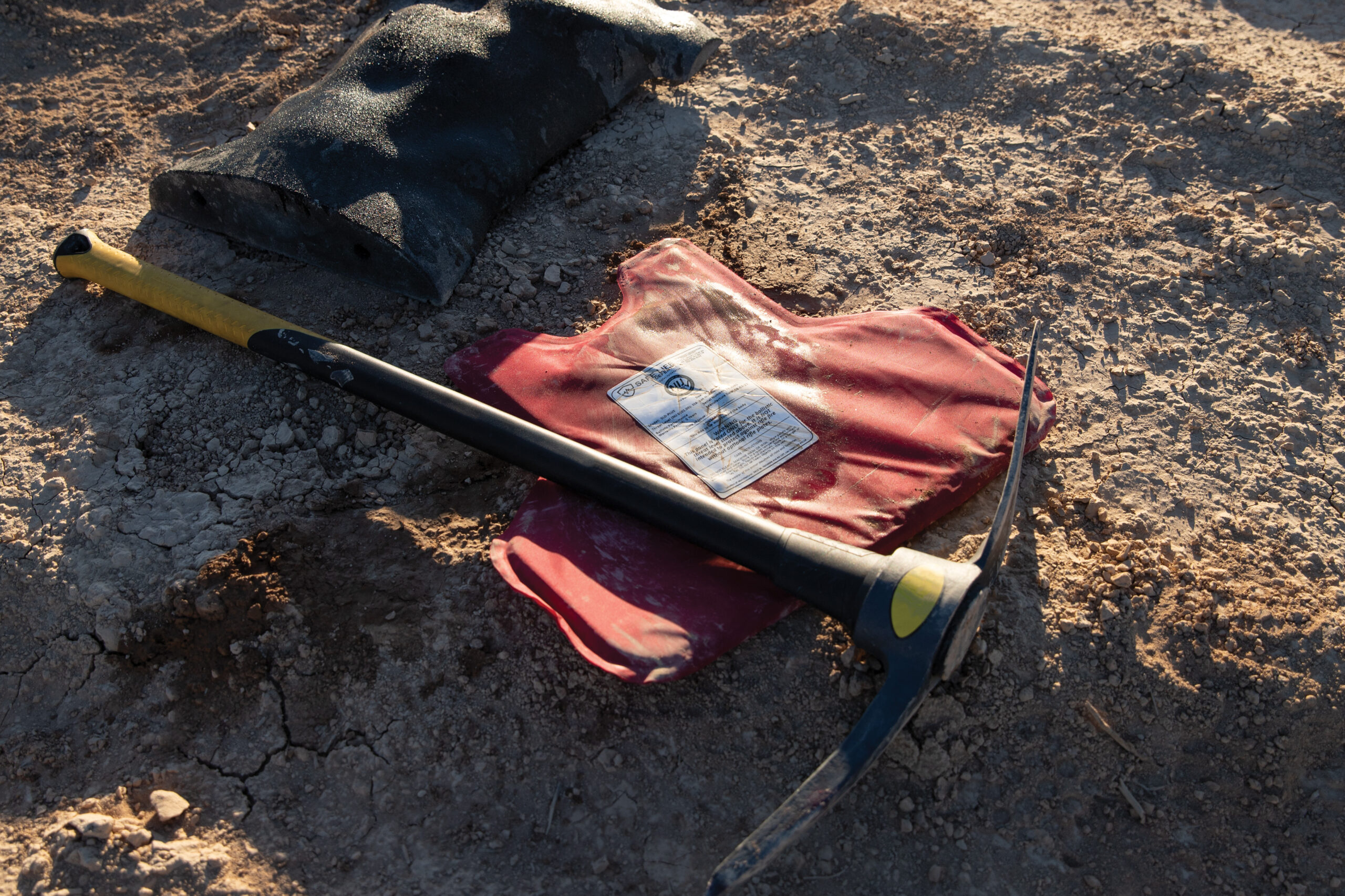
Safe Life Defense's IIIA+, for example
This is the section of the article where one specific product line earns a closer look, because the threat profile that Safe Life Defense publishes for its IIIA+ vests is unusually specific:
- All standard 0101.06 IIIA test threats (.357 SIG FMJ FN at ~1,470 ft/s, .44 Magnum SJHP at ~1,430 ft/s)
- NIj Level 1 Stab Rating up to 36 joules of force
- Some typically armor piercing handgun rounds such as FN 5.7 x 28 40gr
- Strike resistance for blunt force impacts
- Taser resistance
Mapping this into the new 0101.07 system: the closest direct equivalent is HG2 (the new soft-armor maximum), plus a special-threat addendum covering FN 5.7 rounds, plus the separate spike rating that sits under 0115.00.
As of May 2026, NIJ has not published a formal special-threat framework under 0101.07, so the existing IIIA+ designation remains the working label until the new system absorbs it.
The strike protection on this line shows up in unexpected places. Safe Life Defense reports that the largest share of documented wearer saves on its IIIA+ vests comes not from gunshots but from motor vehicle impacts, falls, and blunt weapon strikes. “+” features can earn their place through outcomes the test sheet doesn’t itemize.
FRAS, as a different kind of unusual and exceptional
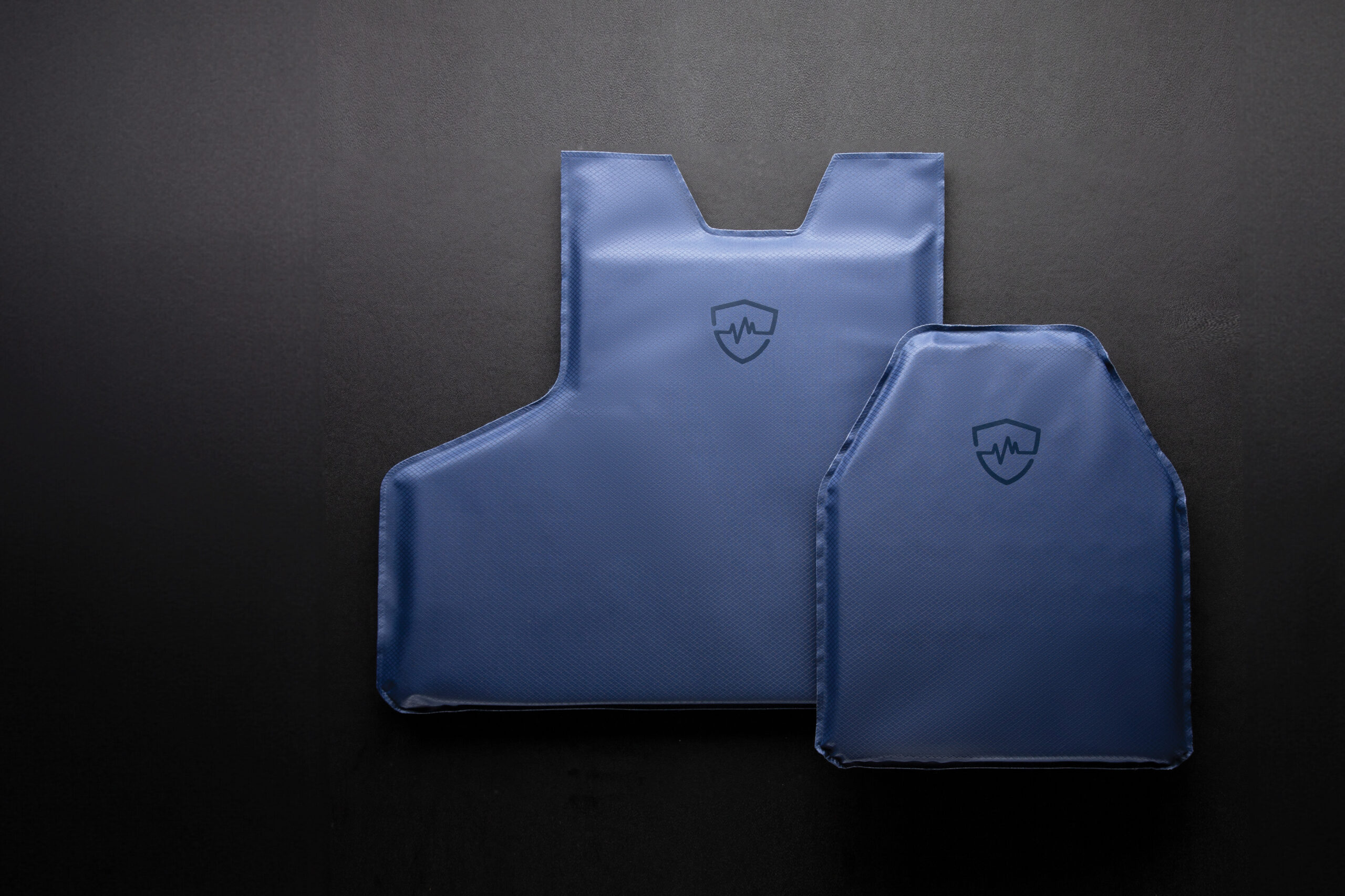
Most rifle armor is rigid. Ceramic or polyethylene composite plates sitting in a hard plate carrier. Safe Life Defense’s FRAS is a flexible rifle-rated armor that wears like soft armor and can even be worn concealed.
FRAS is rated against the most common 5.56 threats including M193, M855 green tip /SS109, plus 7.62×39 lead core. Under 0101.07 nomenclature, that capability spans RF1 and reaches into RF2: RF1 covers M193 and 7.62×39, and M855 capability moves into RF2 territory but is not rated for 7.62×39 mild steel core ammo. The form factor sits outside the rigid-plate framework that RF1 and RF2 currently assume in the CTP test methodology, which is why FRAS will not slot cleanly onto either CPL even after the 0101.07 lists are published. It’s an honest case of a product the standard hasn’t formally categorized yet.
The purpose of FRAS is to balance the most common threats a law enforcement officer will encounter as well as weight, thickness and comfort for everyday wear. This unique product creates a whole new class and treat level of its own tailored to a very specific purpose.
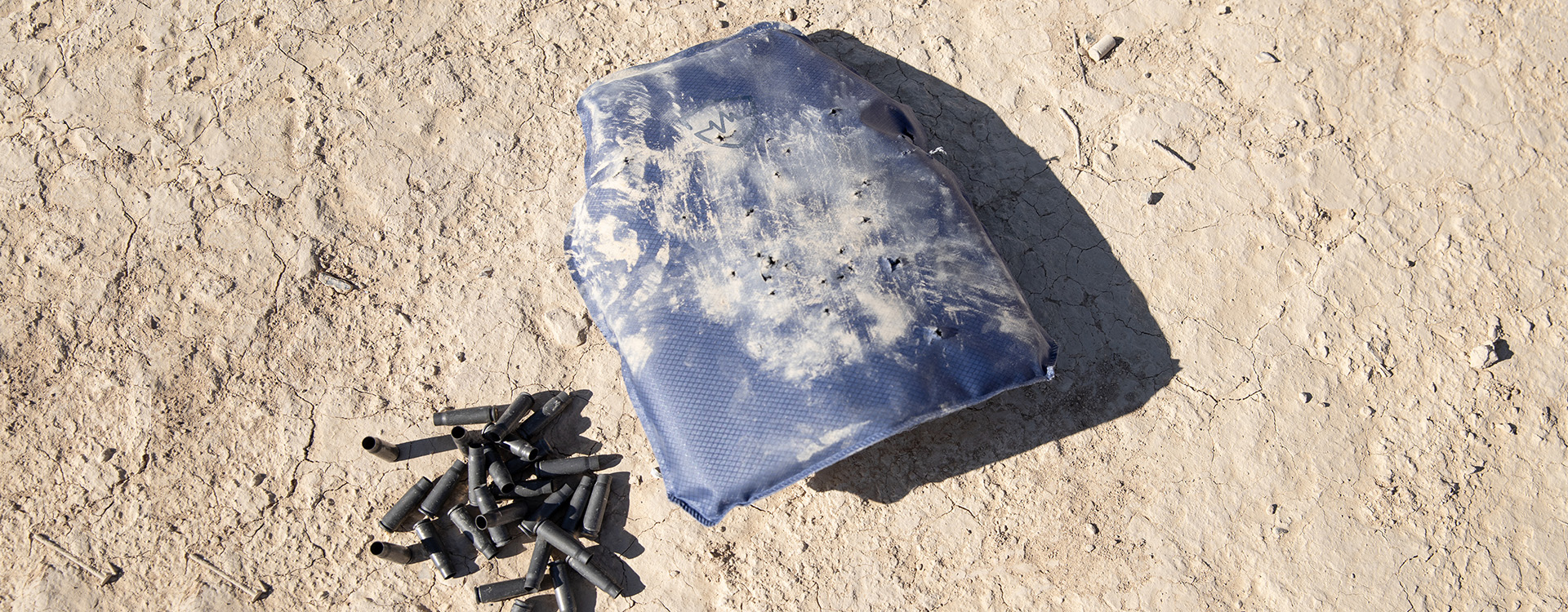
How to evaluate any "+" claim
Three questions, regardless of which manufacturer is making the claim:
- Which specific threats was the product tested against?
- Which lab ran the test?
- Can the test report be made available?
Specifics on all three mean the “+” rating has substance. Vague answers, or any version of “trust us on this,” mean it’s marketing.
How to Choose the Right Level
A higher protection level does mean more ballistic protection. It also tends to come with real drawbacks. Higher-level armor is usually heavier and thicker, and hard plates often cover less surface area than soft armor, which can leave more of the torso exposed to threats outside the plate. The goal is to match the protection level to the threats you actually expect to face, not to default to the highest number available.
Coverage and form factor matter as much as the rating. A IIIA or HG2 vest covers a wide area of the torso and can be worn all day. A Level IV or RF3 plate stops armor-piercing rifle rounds but is heavier, thicker, and protects a smaller footprint. Threat level and protection coverage are different things, and the right choice balances both against your operating environment.
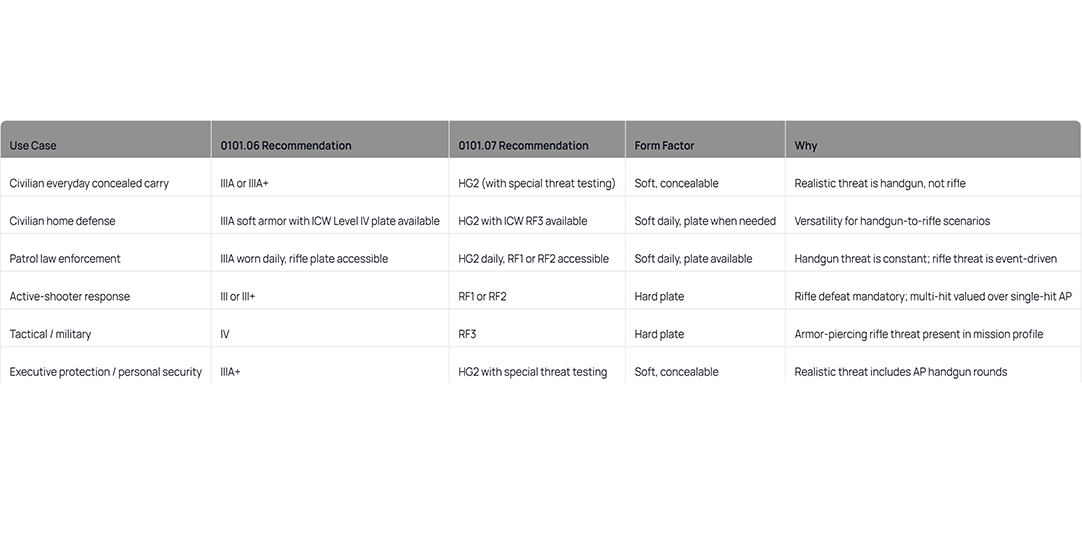
***ICW means "in conjunction with," which is covered below.***
What the matrix can’t show
Weight and concealability are part of the protection equation. Soft armor weighs three to five pounds and disappears under clothing. Hard plates add five to ten pounds per plate, are visible, and limit mobility. The level you’ll actually wear daily beats the highest level you’ll leave at home half the time. A IIIA or HG2 vest worn every day genuinely outperforms a Level IV setup that lives in the trunk because it was too heavy for a 12-hour shift.
Multi-hit and single-hit are different tactical capabilities. Level III and RF1 are tested for multi-hit performance, six spaced shots on the same plate. Level IV and RF3 are tested for single shots of armor-piercing ammunition. In sustained engagement scenarios, multi-hit capability often matters more than the absolute highest threat rating. A patrol officer responding to a rifle threat is generally better served by an RF1 plate that survives six hits than by an RF3 plate that will defeat a single .30-06 AP round and then be unrated for whatever comes next.
Stacking soft panels does not produce hard-armor performance. This is a persistent myth. Soft armor uses aramid or UHMWPE fibers designed to catch and deform handgun rounds. Rifle rounds cut through aramid and UHMWPE soft armor regardless of how many panels are stacked, because the failure mode is fiber severance, not panel saturation. If you need rifle defeat, you need a rated rifle plate.
The legitimate ICW configuration is a Level IIIA soft panel behind a Level III or IV hard plate, where the soft panel catches fragmentation and reduces backface deformation. That combination is sometimes ICW-listed on the CPL for specific plate-and-panel pairings, and the listing matters: the rated performance only holds when the exact specified configuration is used.
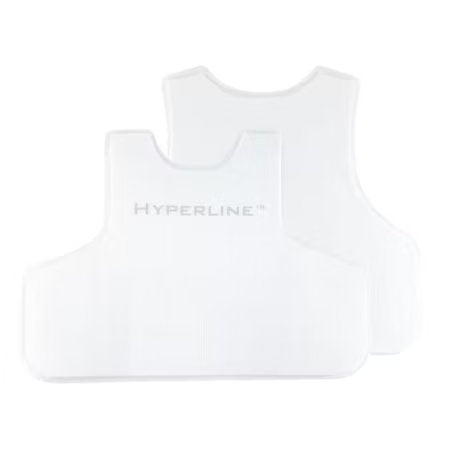
Safe Life Defense produces armor at every level discussed in this section, including IIIA, IIIA+, HG2, FRAS flexible rifle armor, and ICW-compatible Level IV rifle plates. Product pages cover threat profile, weight, and form factor in detail.


 Your Cart
 Product Protection from SLD